Operations | Monitoring | ITSM | DevOps | Cloud

Reliability in the AI Era: AI That Works the Incident With You

Being responsible for the reliability of services people count on every day isn’t easy. Customers expect everything to work, all the time, and when it doesn’t, someone has to answer for it. Whether you need to get yourself out of bed at 3 a.m. or step away from a family dinner, your job is to quickly diagnose the problem and fix it to ensure your operations get back up and running quickly before customers notice. But it doesn’t always go like that.
Meet Paige, PagerDuty's SRE Agent: Faster Fixes Today, Fewer Incidents Tomorrow

Today, we’re introducing Paige, PagerDuty’s SRE Agent. Built on over 16 years of operational data, Paige works as a member of operations, engineering, and DevOps teams, coordinating signal intelligence, incident management, and automation. Paige learns from every incident, so every incident improves the next response. Each resolution is written back into shared memory, making every response sharper than the last.

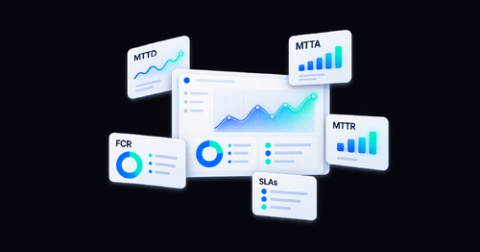
Incident Management KPIs: The Metrics Your IT Ops Team Should Track

Incidents are inevitable. Spending three meetings arguing over whether your incident management process is actually improving is slightly more avoidable. Either way, avoiding adverse conditions begins with one element: consistent measurement. For most teams, a handful of incident management KPIs provide a reliable picture of performance from the moment something goes wrong through to final resolution.

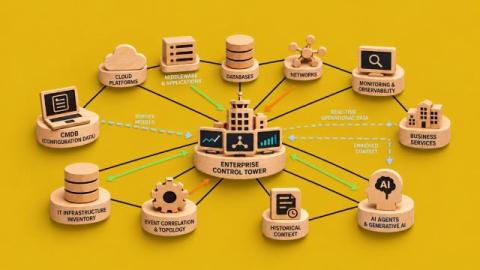
Why AI-Ready IT Operations Need More Than a Traditional CMDB Now?

Configuration Management Databases (CMDBs) have long played an important role in IT Service Management, providing a structured record of technology assets, their configurations and relationships. For enterprises managing complex IT environments, they remain a valuable foundation for understanding infrastructure and supporting operational processes.

600 People Still Isn't Fast Enough for IT Operations

What happens when even 600 people aren't enough to keep up with incident volume? In this clip from BigPanda's Project Zero conversation, Tal explains why adding more L1 headcount doesn't necessarily mean faster incident resolution. The challenge isn't just capacity. It's the manual operating model. Watch the full Project Zero conversation on our channel.

What is Agentic IT Operations (Agentic ITOps?)

Agentic IT operations (Agentic ITOps) deploy autonomous AI agents that can perceive, reason, plan, and act to investigate incidents, coordinate people, and improve with every incident they touch. Think of it as the next step in a progression, where monitoring surfaced the symptoms, AIOps separated signal from noise, and Agentic ITOps takes action on what it finds.

6 Best EHR Systems for Small Practices (compared): From Patient Records to Connected Care

For a small practice, choosing an electronic health record system affects nearly every part of the working day: documenting visits, prescribing medications, reviewing results, scheduling appointments, and submitting claims. The right choice should fit your clinical specialty and the way your team operates.