Operations | Monitoring | ITSM | DevOps | Cloud

How we investigate Sentry errors with an AI agent

We built an AI agent on Qovery to investigate Sentry alerts before our team picks them up. Here’s how the workflow runs, what it delivers, and where engineers still need to step in. Rémi is a staff frontend engineer at Qovery. He writes about frontend architecture, developer experience, and building scalable UI systems for platform engineering tools.
Manage your OpenTelemetry Collectors with Fleet Management in Grafana Cloud

If you’ve built your telemetry pipelines around OpenTelemetry Collectors, you’ve already invested in a collector distribution, YAML configuration, and a deployment model that fits your infrastructure. As that deployment grows, managing it means keeping shared configuration consistent, accommodating different workloads, and understanding whether your collectors are healthy. Fleet Management in Grafana Cloud brings those tasks together in one place.

From Git Repo to Docker Image: Building Your First CI Pipeline in Harness

Connect GitHub, let Harness generate your CI pipeline, then build and push a Docker image to DockerHub. No YAML required. Creating your first CI pipeline usually sounds simple until you actually start. You connect your repository, figure out what stages you need, configure the build steps, set up the runtime, add caching, testing, credentials, and then hope the first run actually works.

Deploy Your First App with Harness CD in Under 15 Minutes

Deploy your first app with Harness CD in under 15 minutes. Learn how to build, configure, and execute a rolling deployment using a real sample application. TL;DR: Deploying shouldn't feel like crossing your fingers. With Harness CD, you set up your deployment once and get rollback and a full history of what shipped, without writing it all yourself.

Harness acquires Augment Code to advance the Autonomous SDLC

Harness Cosmos Software Factory Agent automates engineering from idea to code, connecting code context with delivery, security, testing, and production workflows. The world runs on software. Better healthcare, more accessible financial services, more efficient businesses, and better everyday experiences all depend on our ability to build and improve it. AI is making that faster, but the outcome that matters is not simply how much code we generate.

Redgate Monitor is a Leader in G2's Fall 2026 database monitoring report

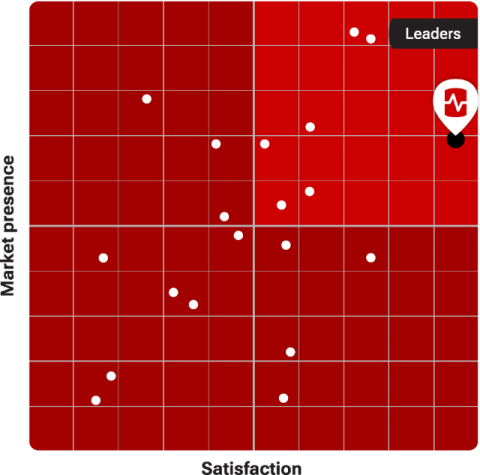
G2's Fall 2026 Grid Report for Database Monitoring is out, and Redgate Monitor is named a Leader. G2 builds its reports from verified user reviews rather than paid placement, so this recognition comes from the people who use Redgate Monitor every day, and took time out of their lives to tell others what it's like. So, a big thank you to our customers, we're grateful for every review.

Debug Production at the Speed of AI

Your coding agent can debug production issues now. Yes… Not just “help you debug.” Actually run the investigation… FOR YOU! In this new era of agentic development, speed matters. And in the old days (you know… last week or so) we used to investigate production bugs ourselves. Manually. Like humans. But for a lot of incidents, we don’t need to do all of that anymore.

The Five Levels of the Enterprise AI Software Factory

Scroll LinkedIn for ten minutes and you'd think every engineering organization already runs an autonomous SDLC, with agents writing, reviewing, and shipping code while humans watch. Inside large enterprises, the picture looks different. Coding agents there have to work around sensitive customer data, recurring compliance audits, a larger attack surface, downtime that costs millions, and a CFO who wants to know what last year's token spend bought.