Operations | Monitoring | ITSM | DevOps | Cloud

AI Reporting: Turn IT Data Into Insights | Ivanti

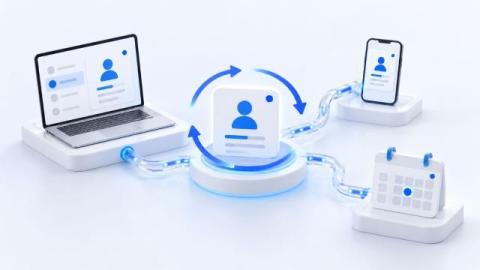
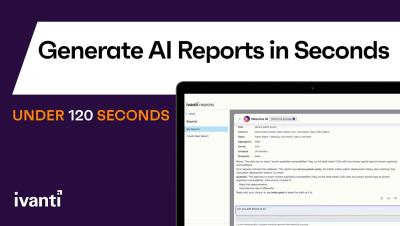
Discover how Ivanti Neurons AI turns IT and security data into actionable reports—just describe what you need in natural language. AI reporting takes the complexity out of report creation. With Ivanti Neurons AI built into the reporting experience, you can start with a suggested request or simply describe what you need in plain English. Neurons AI interprets your request and builds a tailored report draft with the relevant data, columns, filters, and aggregation—no manual query building required.
Optimize Database Performance in Rails and ActiveRecord (Rails 8.1)

To optimize database performance in Ruby on Rails, fix N+1 queries with includes, preload, or eager_load; index the columns your WHERE and JOIN clauses filter on; load only the columns you use with select and pluck; batch large reads and writes with find_each and insert_all; and move to read replicas or sharding only once query-level fixes run out.

Bizally Review 2026: Accounting Packages, Bookkeeping Add-Ons and 3 Melbourne Alternatives

Bizally earns its fee if you want a long-running Blackburn South firm that bundles your annual returns, tax planning and a Xero subscription into one published monthly fee, with SMSF accounting under the same roof. It suits established owners who are happy in Xero; it suits you less if you need BAS and payroll included in the base price. Bizally's add-ons, not its headline package prices, set the real monthly cost for most employers, and the three Melbourne alternatives below structure their fees in quite different ways.

How Teams Can Pilot Text to STL for Rapid Prototyping

A request for a quick physical mockup often arrives before anyone has a measured drawing. N4D can turn a written description into a candidate STL model, giving a team something concrete to review early. The operational challenge is deciding which requests belong in that fast lane and which need a controlled CAD process from the start.

Why Cross System Workflows Fail and How to Build More Reliable Business Automation

A workflow can fail even when every application reports that it is healthy. A customer record reaches the CRM, an order reaches the ERP, and the provisioning request disappears between them. Reliable business automation requires an explicit record of what happened across those systems, who owns incomplete work, and how processing resumes after interruption.
Featured Post

From Signal to Action: Instrumenting Decision Latency in Kubernetes Incident Response

An alert fires. Checkout latency has crossed an error-budget threshold, the Prometheus rule is correct, and the page reaches an on-call engineer in under a minute. Then recovery stalls while the responder works through different questions. Which rollout changed? Who owns the failing path? Is the payment dependency degraded? Is rollback safe? Who needs to approve it? How do we know the system recovered?

Inside Kraken: Regression Testing With Traffic Replay

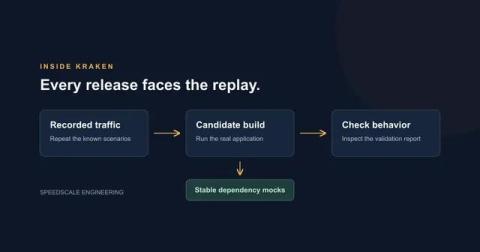
A readiness check should make a release safer. During one release validation, ours kept Kraken’s traffic replays stuck in Initializing until they timed out. The operator was asking Kubernetes for EndpointSlices. Its installed permissions did not allow that request. The code needed a real cluster, the generated permissions, and a replay trying to start before that mistake became obvious. Kraken put those pieces together during release validation.

Test and Mock GraphQL APIs Without Trusting the 200

Replay a GraphQL recording at the server that produced it, and every request comes back 200 OK. Here is one of those 200s, from a Session query whose recorded token has expired: A GraphQL server reports most failures inside a successful HTTP response, so any check that stops at the status code passes this request. And that is the second way GraphQL hides from URL-shaped tooling.

gRPC Mocks, Tests and Contract Checks From a .proto

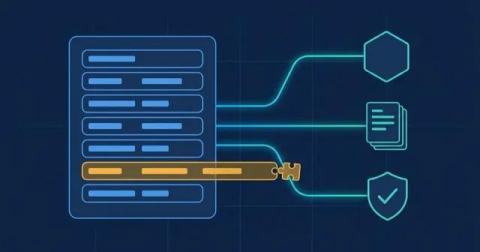
Change one field in a.proto from double to string, and nothing complains. The code compiles, the deploy goes green, and a service still built from the old contract keeps answering with a double. Here’s what Go’s protobuf runtime does when a client on the new contract reads that answer: No error. risk_score comes back empty, and the nine bytes of the double are tucked away as unknown fields.