Operations | Monitoring | ITSM | DevOps | Cloud

The latest News and Information on Monitoring for Websites, Applications, APIs, Infrastructure, and other technologies.

Self-Hosted Sentry switching to CalVer

Since the beginning, Sentry has adopted SemVer (semantic versioning) for all of its open source releases — major versions indicated breaking, backward-incompatible changes; minor versions meant new features, and patch releases were bug fixes only. This process worked fine for a long time. As the open source project evolved and grew into Sentry.io – our SaaS offering – the development team switched to a continuous delivery model.
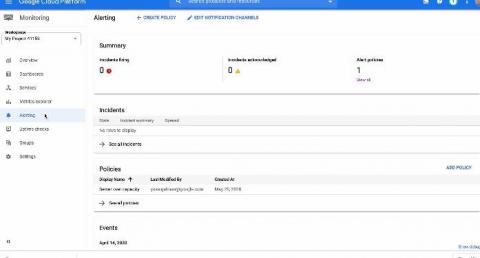
Introducing Pub/Sub as a new notification channel in Cloud Monitoring

Around the world, operations teams are working to automate their monitoring and alerting workflows, looking to reduce the time they spend on rote operational work (what we call “toil”), so they can spend more time on valuable work. For instance, Google’s Site Reliability Engineering organization aims to keep toil below 50% of an SRE’s time, freeing them up to work on more impactful engineering projects.

Aggregating and Visualizing Data with Kusto

Got the basics down and ready to move on to more advanced aspects of Kusto? You’ve come to the right place! Here you will learn how to use aggregation functions, visualize query results and put your data into context. If you’re just getting started with Kusto, check out our ‘Jumpstart Guide to Kusto’ before starting on this one. Let’s get into it!

Best Practices for Database Performance Monitoring

Like application monitoring, database performance monitoring is a critical discipline. If there isn’t a code issue, there’s a good chance you have a database issue. Key metrics such as CPU and memory usage can give you important insights into your database’s performance. In addition, by monitoring slow queries, and inordinate number of database requests, you can combine this knowledge to optimize both.

Observability Redefined: 3 steps to improve your IT infrastructure

Are you already applying IT observability to keep up with rapid changes in your IT operations landscape? Currently, the fast adoption of new infrastructures, including hybrid clouds, containers, and microservices, challenges the market. As organizations move towards these highly dynamic architectures, the requirements for traditional IT monitoring change dramatically. More data keeps on coming, and having the time and skill to keep up with this ongoing stream seems to get harder and harder.