Operations | Monitoring | ITSM | DevOps | Cloud

Alerts Should Work for You, Not the Other Way Around

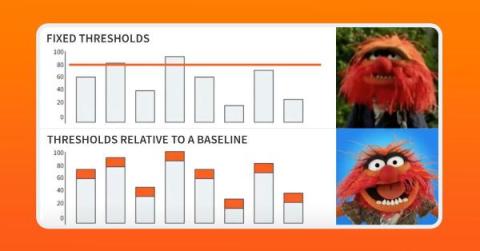
The entire reason we have monitoring is to understand what users are experiencing with an application. Full stop. If the user experience is impacted, sound the alarm and get people out of bed if necessary. All the other telemetry can be used to understand the details of the impact. But lower-level data points no longer have to be the trigger point for alerts.

Alerts Don't Suck: YOUR Alerts Suck!

Join Leon Adato, Kentik's Principal Technical Evangelist, for, "Alerts Don't Suck: YOUR Alerts Suck." In this engaging talk, Leon shares a personal anecdote about generating a staggering 772 tickets - twice - in just 15 minutes, setting the stage for an enlightening exploration of alert management. Leon discusses the common misconceptions and pitfalls of alerts in network observability, distinguishing between effective and ineffective alert strategies. He demystifies the concepts of monitoring versus observability, offering practical advice on creating alerts that genuinely add value and drive action. Whether you're an IT professional, network engineer, or anyone interested in improving your alerting philosophy, this talk is packed with actionable insights, humor, and real-world examples. Leon's hard-won advice might just transform your approach to alerting and optimizing your monitoring systems.


Understanding intelligent alerts in ITOps and alert management best practices

As an ITOps leader, you know managing enterprise IT can be challenging, with its mix of old and new, on-site and cloud-based systems. Closely monitoring each part of the system infrastructure and its many components is a constant struggle, forcing you and your team to juggle non-stop alerts and keep services up and running. How can you stop alert fatigue and gain clarity when alerts are incessant, unclear, and lack the necessary context? The answer lies in intelligent alerts.

OnPage Releases Healthcare-Focused Slack Integration

In the healthcare realm, the need for communication platforms that meet HIPAA standards is undeniable. Enter Slack, a popular collaboration platform armed with robust security features. However, the real game-changer emerges through the integration with OnPage. This isn’t just an upgrade in collaboration; it’s a transformative shift in critical communication within healthcare—a field where every moment counts.

Azure Event Grid Monitoring and Alerting

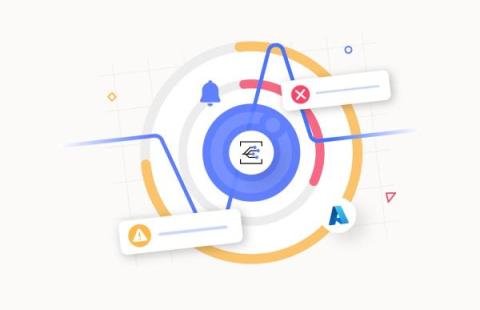
Azure Event Grid is a versatile and event-driven service within the Microsoft Azure cloud ecosystem, designed to enable seamless event handling and routing across various Azure services and external sources. This powerful service plays a pivotal role in facilitating event-driven architectures, streamlining the development and management of cloud-based applications and systems.

Custom Container Network Monitoring and Alerting in Kubernetes with Kentik Kube

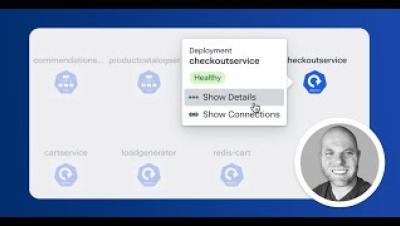
Discover the power of proactive network monitoring in Kubernetes with Kentik Kube. This demo highlights the critical importance of custom dashboards and alerts in maintaining optimal container performance and service availability. We take you through creating a tailored alert for a checkout service within Kentik Kube. From selecting services to diving deep into performance metrics via the Kentik Data Explorer, we show you how Kentik Kube makes it easy to set up policies that monitor and alert you to Kubernetes network issues as they arise.

What you need to know about the The Digital Operational Resilience Act (DORA)

The European Commission has introduced the Digital Operational Resilience Act (DORA) to bolster the digital infrastructure of the financial sector within the European Union (EU). As part of the EU's wider digital finance strategy, DORA's objective is to create a comprehensive framework governing digital operational resilience. Financial institutions must ensure full compliance with DORA by January 2025.