Operations | Monitoring | ITSM | DevOps | Cloud

Shift Scheduling: 10 Signs You've Outgrown Spreadsheets (And What to Look for Next)

It’s Friday afternoon. Two employees have requested time off. Someone calls in sick. Another wants to swap shifts. Then you realize the only certified technician scheduled for the night shift is also marked as being on vacation. What looked like a perfectly organized spreadsheet this morning can quickly turn into a puzzle. As organizations grow, scheduling gets more complex.

Stop Chasing Field Technicians - Track Work Progress with One-Tap Status Updates

Field service managers need visibility into more than just whether a technician has arrived. They need to know when work begins, when it’s completed, and when the technician is heading to the next job. Without a simple, consistent way to communicate these milestones, dispatchers and supervisors are left making phone calls and sending text messages just to find out what’s happening. Most of the time, nothing is wrong.

On call? Don't miss the next World Cup match.

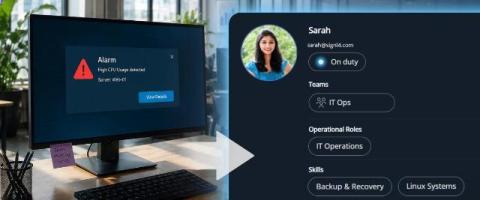
Plans change - and your on-call schedule should be able to change with them. With SIGNL4, you can quickly arrange shift coverage from your smartphone, so your team stays fully staffed while everyone knows exactly who's on duty. Whether it's a World Cup match, a family event, or any other last-minute plan, SIGNL4 helps you manage stand-ins and shift handovers without phone calls, spreadsheets, or confusion.

Duty Scheduling 101: Building Reliable On-Call Coverage

Many teams start with a simple approach to on-call coverage. One person carries the phone this week. Someone else covers next week. Vacation requests are handled through emails, chat messages, or spreadsheets. When someone is unavailable, everyone is expected to remember who is covering. This works for a small team until the first missed alert. Duty scheduling is the foundation of reliable alerting.