Understanding the Ongoing Impact of Chaos Engineering - Civo TV
Matt Schillerstrom, Senior Product Marketing Manager at Harness (@harnessio) gave an insight into what Chaos Engineering (CE) is and how it is continuing to impact businesses


The latest News and Information on DevOps, CI/CD, Automation and related technologies.
In the analytics domain, fast and reliable storage is an important aspect for businesses to handle a large amount of data. There are different types of data storage including RDBMS, NoSQL, data lake, data warehouse, and graph database. Among these, the most widely used is RDBMS that powers various systems and applications of companies of all sizes. RDBMS is easy to use and straightforward to understand thanks to its table-based (or column-based) data format.
Earlier this year, StackState was named a Market Leader in the “2022 Research in Action (RIA) Vendor Selection Matrix (VSM) for Observability.” This is great recognition of the innovative path that we are on. We have focused on topology-powered observability, supported by our unique 4T® Data Model.
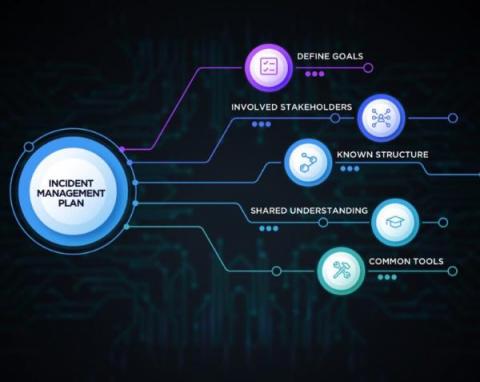
In a perfect world, technology stays on and runs flawlessly. But we all know this isn't the case. Like any organization, xMatters sometimes experiences unplanned incidents. What we can control is how we respond to them. To resolve incidents quickly, it's important to coordinate an organized response.
This article is based on conversations with Lætitia Avrot, Field CTO at EDB and David Tuite Founder of Roadie from our webinar on the Who What Where and Why of Commercial Open Source that you can watch here.
AI/ML is reinventing the reality of many industries, including retail. From brick-and-mortar stores to online marketplaces, retail companies are all increasing their investments in artificial intelligence, in order to gain a competitive advantage, better understand their customers and solve some of their long-lasting problems.
The Rancher Team are excited to announce the general availability of Rancher v2.7. Rancher v2.7 is a monumental milestone in the lifecycle of Rancher and introduces the ability to be a truly interoperable, extensible platform through the concept of extensions. The extensions now make it possible for users to build extensions on top of Rancher with complete autonomy.