How does an Open-Source Board work?
Join Robert Sirchia and Matt Farina as they answer the question: How does an Open-Source Board work?


The latest News and Information on Containers, Kubernetes, Docker and related technologies.
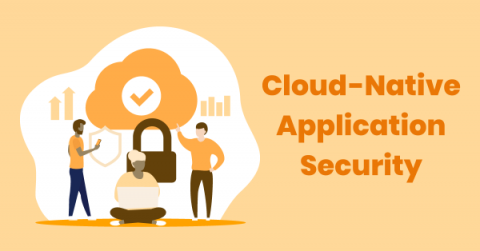
Calico Cloud has just celebrated its 1-year anniversary! And what better way to celebrate than to launch new features and capabilities that help users address their most urgent cloud security needs. Over the past year, the Tigera team has seen rapid adoption of Calico Cloud for security and observability of cloud-native applications.
When business is growing rapidly, the necessity to scale the processes is obvious. If your initial infrastructure hasn’t been thought through with scalability in mind, growing your infrastructure may be quite painful. The common tactic, in this case, is to transition to cloud native architecture. In this post, we will talk about what you need to know when you’re scaling up with the cloud so that you can weigh the pros and cons and make an informed decision.
We covered the what, when and why of Service Mesh in a previous post. Now I’d like to talk about why they are critical in Kubernetes. To understand the importance of using service meshes when working with microservices-based applications, let’s start with a story. Suppose that you are working on a big microservices-based banking application, where any mistake can have serious impacts. One day the development team receives a feature request to add a rating functionality to the application.
We are pleased to announce today that Shipa, the cloud-native Application as Code platform is now available on the AWS Marketplace. Bringing the power of Shipa to your internal customers on AWS infrastructure has never been easier with click to install from the AWS Marketplace.
Kubernetes has experienced rapid growth over the years, with a recent post from the Cloud Native Computing Foundation reporting a userbase increase of about 67% in just the past year. Kubernetes is a container orchestration platform that automates how containers are deployed, how they communicate, and how traffic is routed between them; it also scales configurations for both the containerized workloads and the underlying infrastructure that comprises the cluster.