Operations | Monitoring | ITSM | DevOps | Cloud

The latest News and Information on Monitoring for Websites, Applications, APIs, Infrastructure, and other technologies.

Find What You Need! All About Our New Search Tool.

Product Releases Update Our new Search tool allows you to quickly build detailed queries without having to leave the page. Our new search tool expands on our column filtering feature. You can now create even more detailed queries by filtering on 20 unique criteria. New for this release is the ability to search Call Stack Function Names, Call Stack File Names, and Call Stack Line Numbers.
Quickly Duplicate Triggers Across Apps in AppSignal

We’re happy to announce that we’ve added a new feature which will make it easier for you to copy your trigger setup from one app to a new one. Anomaly detection triggers are a great way to get notified about unwanted events in your app. These anomalies are things like a high error rate, a lack of free disk space, or a high CPU usage. If your apps have a lot of the same requirements and infrastructure, you may have a lot of the same triggers across your apps.

Breaking down network complexities with network mapping

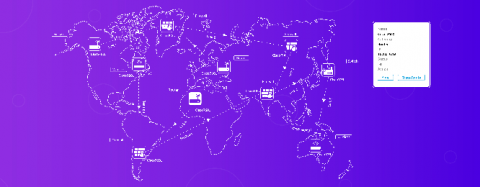
Is it possible for network engineers to gain complete visibility over all the components in an enterprise network? With new devices constantly connecting and disconnecting, creating a mental image of the entire network is impossible. This is where network mapping comes in. Using Simple Network Management Protocol (SNMP), you can see a visual representation of your network and every connected device for an easy-to-understand look at your dynamic network.

Managed Service Providers Need to Ramp Up Now

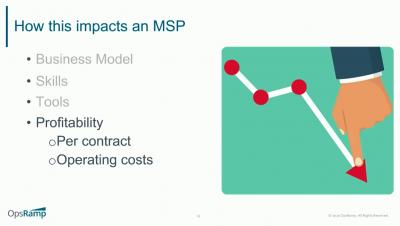
Given the burden of supporting a remote workforce while accelerating digital transformation, IT operations teams will lean more heavily on the expertise of their managed service providers to navigate the new normal. In a recent survey, more than 90 percent of technology leaders expect to use managed service providers for technical expertise and knowledge, enhanced security and cost optimisation.

Putting ITIL 4 Into Practice With SolarWinds Service Desk - SolarWinds Lab Episode #87

ITIL 4 certifications demonstrate a thorough understanding of how to deliver value to the modern organization through services. Matching that understanding with the capabilities of your ITSM solution is a powerful combination. Join ITIL 4 Managing Professional Sean Sebring and ITSM Senior Sales Engineer Liz Beavers for a crash course on applying the seven guiding principles of ITIL 4 and how they tie into using the SolarWinds Service Desk platform. Whether you’re a certified ITIL pro or a new help desk technician hoping to work more efficiently, learn five ways to deliver better service to your organization.

Enterprise Cloud MVC Requirements

A Minimum Viable Product (MVP) in software development is often what we strive for when proving a case for improvement or product. With the movement toward the cloud infrastructure, we should start striving for a Minimum Viable Cloud (MVC). An MVC consists of everything needed to get a cloud environment up and running. The main services of cloud infrastructure are Communication, Application, and Storage.

Elastic Stack Alerting Overview

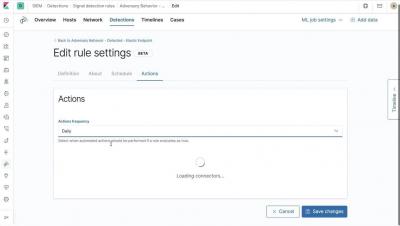
Introducing the new alerting framework for the Elastic Stack bringing alert functionality directly into SIEM, APM, Uptime, and Metrics. The new alerting framework is built from the ground up and designed to offer data-driven triggers that let you do everything from send an email, to automatic Slack notifications, to even integrate with platforms like PagerDuty to initiate escalations.

Breaking Out of Webpack Based Build Chains

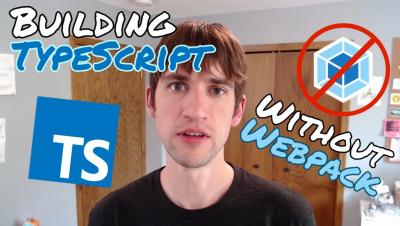
Javascript build chains have gotten outrageously complicated. Let's create one that isn't. Request Metrics monitors how real users experience the performance of your production websites. We need a JavaScript agent to pull performance data out of the browser. Watch as I calmly Bob Ross my way to a Webpack-free Typescript build pipeline with just a few NPM packages.

Web Application Monitoring During a Crisis

In February, we wrote about how major live sporting events in March will impact online ordering and food delivery. We discussed the associated importance of monitoring your web app to ensure a smooth end-user experience and to troubleshoot issues like downtime, slow load times, and broken transaction flows. But unless you’ve been living under a rock, you know what happened. All the sports were cancelled. That’s right, no broadcasted games. No championships. No brackets.

The Cost of NOT Monitoring Every Application

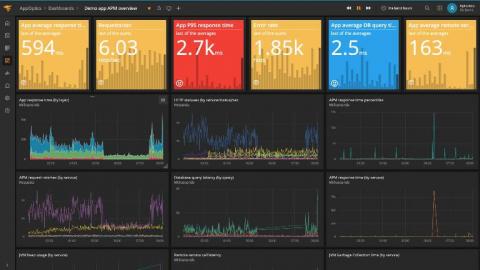
If you’ve been building or supporting applications for a while, you’ve probably experienced the uncomfortable postmortem meetings that inevitably follow significant service interruptions. You know how it works. There was a critical outage in one of your apps and it took the team an entire week to track down and fix the issue. Customers and revenue were lost. Now you’re sitting in a large conference room with executives to discuss what happened and why.