Digitalparking Leads the Smart Parking Revolution in Switzerland
Aiven for PostgreSQL® ensures business critical database runs without interruptions.


The latest News and Information on Databases and related technologies.
What is Graphite? Simply put, Graphite is an open-source enterprise-ready time-series database. So what is a time-series database? Well, a time series is a series of data points indexed (or listed or graphed) in time order. Time Series databases have excellent benefits over traditional databases in terms of high performance, higher writes, improved scalability, better reliability, and many more.
According to the World Bank, two-thirds of adults around the globe currently make or receive digital payments. Businesses have come to expect quick, reliable processing, and one company at the forefront of that is Worldline. The global payment service provider (PSP) is a leading payment processor and payment provider in Europe, with about 3.4 billion e-commerce transactions made in 2022.
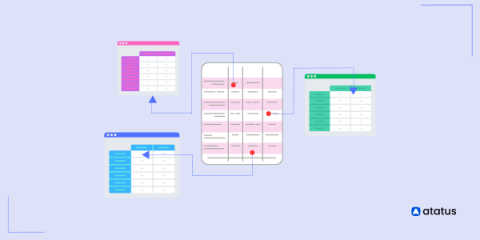
Indexes serve as the key to unlocking the immense potential of relational databases, enabling swift and optimized data access. They act as a roadmap, allowing the database engine to locate specific data quickly, ultimately enhancing query performance. Understanding the nuances of indexes and employing the appropriate indexing techniques can significantly impact the efficiency of a database system.