The latest News and Information on DevOps, CI/CD, Automation and related technologies.
Monitor your Windows server and applications running on it with Netdata - simple, powerful and free. Hey Netdata community, We have some exciting news for you: we’re launching our new and updated Windows collectors with the goal of making the Windows monitoring experience as seamless as possible 🎉 We know that Windows monitoring has been a long time ask from many of you, and we’ve been working hard to make it easier than ever to monitor your Windows metrics with Netdata.
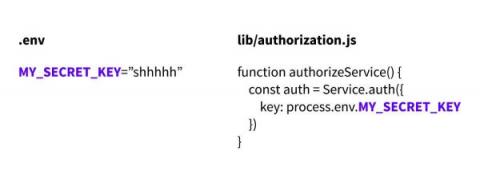
Environment variables are the best way to store variables like API keys, secrets and databases URLs. Until today you had to create and update Env. Variable manually for each app even if they are inside the same project and share the same credentials. Today, we are launching Project-level Variables: Project-level Variables are environment variables created at the project-level. You can create and consume an unlimited number of environment variable directly from your project main page.
Designing SLOs is a key SRE competency which requires careful consideration and a consistent approach to implementation.
Here’s everything you need to know about Megaport’s latest service enhancements.
As more and more companies move their data to the cloud, the importance of data redundancy cannot be overstated. Losing data can be catastrophic, so having multiple copies of your data in different locations is essential to ensure data availability and business continuity. One way to achieve this is through Azure Locally Redundant Storage (LRS). In this article, we will cover everything you need to know about Azure LRS, including what it is, how it works, and its benefits.
As businesses grow, they need more storage space for their data. Azure Geo-Redundant Storage (GRS) is a powerful tool that helps organizations store their data in a secure and efficient way. In this article, we will explore the concept of Azure GRS, its benefits, and how it works.