The latest News and Information on DevOps, CI/CD, Automation and related technologies.
There are many computing resources used in different cloud application services to provide online software-as-a-service (SaaS). SaaS differs from traditional applications in that it works from a cloud computing environment. This means that both the application service as well as user data are being hosted by a cloud provider in the cloud. Therefore, the SaaS and data are accessible from anywhere as long as there's online access. This model provides a distinct advantage from a software perspective.
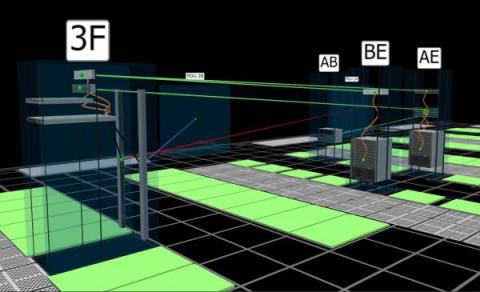
Modern data centers are complex environments that often contain many thousands of individual cabling and port components. When the physical connectivity infrastructure is not properly organized, tracked, and managed, you can quickly run into serious problems.
DevOps is an IT delivery concept that combines people, practices and tools with the shared goal of accelerating the development of applications and services. Adopting DevOps at enterprise level typically requires: The continuous development of DevOps practices, as well as other factors like the rapid pace of modern code changes, facilitates a need for DevOps monitoring: a set of tools and processes to support the entire software development lifecycle.
With 96% of organizations either using or evaluating Kubernetes and over 7 million developers using Kubernetes around the world, according to a recent CNCF report, it’s safe to say that Kubernetes is eating up the world and has become the de-facto orchestrating system of cloud-native applications. The benefits of adopting K8s are obvious in terms of efficiency, agility, and scalability.
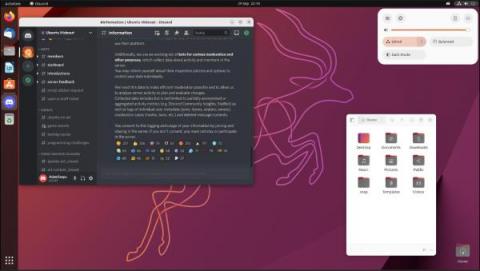
Ubuntu Desktop 22.10, codenamed Kinetic Kudu, is here! This is the first release after Ubuntu 22.04 LTS, which means that there are a number of changes in both the underlying technology and the user experience, as well as some previews of what might be on the horizon in future releases. Excited? Let’s jump straight into our highlights.
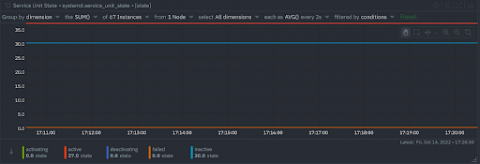
The life of a sysadmin or SRE is often difficult, but occasionally very simple things can make a huge difference. Basic monitoring of your systemd services is one of those simple things, which we sometimes overlook. The simplest question one would want to know is if the thing that’s supposed to be running is actually running at all. If you use systemd services, you can guarantee an answer to that question within minutes using Netdata.