The latest News and Information on DevOps, CI/CD, Automation and related technologies.
Testing is a vital part of the mobile app development process. Your team can use testing to evaluate the quality, security, and reliability of mobile apps before releasing them to your users. Users who expect their applications to be highly performant and intuitive. There are two ways DevOps teams can perform testing for mobile apps: on-premise (also called self-hosted) or in the cloud. But which of these is the best option for your team?
An application programming interface (API) provides access to the features of a business application, but with the visual elements stripped away. By using APIs, devices like tablets, self-service kiosks, point-of-sale terminals, and robotic sensors can connect up to apps running on servers in a datacenter or in the cloud. Because they give access to the heart of your business applications, it should come as no surprise that there are some APIs that the general public should not have access to.
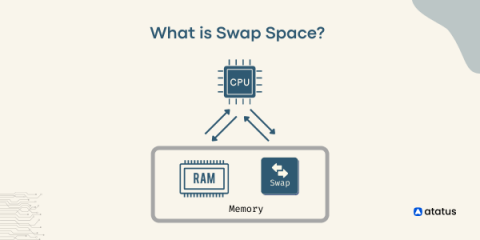
For a machine to run and store the loaded applications, every processor needs data capacity. Storage is an serious issue if you work in IT since you will have bundles of software packages to run a single application. When RAM is nearly exhausted, the Linux swap function can help you. Using swap space instead of RAM in Linux systems can slow down the system’s performance. At the same time, there are more benefits when swap space is enabled.
When you build a cloud-based application, you can choose to deploy the resources using the GUI (Graphical User Interface) or CLI (Command Line Interface) provided by the cloud provider. This approach can work well with just a handful of resources, but as the complexity of your application increases, it can become difficult to manage the infrastructure manually.