Operations | Monitoring | ITSM | DevOps | Cloud

The latest News and Information on Cloud monitoring, security and related technologies.

How to Decode Your AWS Bill (and What's within DevOps' Control)

The typical AWS bill, otherwise known as the AWS Cost and Usage Report, includes line items that are useful to both finance and DevOps. However, many of the metrics that are within engineers’ and cloud architects’ control aren’t so simple to discover. To make cost a first-class operational metric for DevOps, teams need visibility into the data that’s relevant to engineering activity.
The Complete Guide to Azure Monitoring

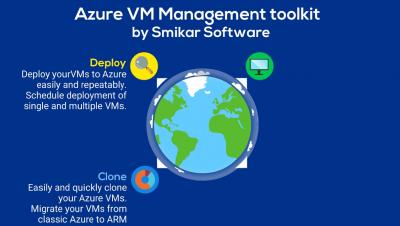
Monitoring an Azure environment can be a challenging task for even the most experienced and skilled team. Applications deployed on Azure are built on top of an architecture that is distributed and extremely dynamic. But all is not doom and gloom. Azure users have a variety of tools they can use to overcome the different challenges involved in monitoring their stack, helping them gain insight into the different components of their apps and troubleshoot issues when they occur.

Understanding Heroku Error Codes with Scout APM

If you are hosting your application with Heroku, and find yourself faced with an unexplained error in your live system. What would you do next? Perhaps you don’t have a dedicated DevOps team, so where would you start your investigation? With Scout APM of course! We are going to show you how you can use Scout to find out exactly where the problem lies within your application code.

Updating Your LogDNA AWS CloudWatch Integration

AWS CloudWatch Logs gives you full visibility into your AWS infrastructure, from individual workloads to the services that bind them. Monitoring these logs helps ensure their smooth and continued operation, ongoing stability, and performance. Integrating CloudWatch Logs with LogDNA makes it easier to parse, search, and analyze AWS logs in order to detect anomalies and troubleshoot problems faster.

The Top 5 Pitfalls of Serverless Computing and How to Overcome Them

Serverless first came onto the scene in 2014 when AWS Lambda was launched. It offers a dynamic cloud-computing execution model where the server is run by the cloud provider. As with any relatively recent technology, its novelty results in a steep learning curve, and it comes with its own set of benefits and drawbacks.

AWS Lambda With Ruby: A Complete Getting Started Guide

It’s five o’clock on a Friday afternoon. There are no new bug reports and everything is looking smooth. Your plan of a relaxing weekend is in sight when you get a call—the website you look after isn’t responding. Yikes. AWS Lambda minimizes the chance of this truly terrifying event from happening by taking care of server maintenance while you focus on coding robust applications.

Serverless Data Processing with AWS Step Functions, Part II.

Back in Part I of Deploying a Serverless Data Processing Workflow with AWS Step Functions, Nuatu mentioned one key benefit of using step functions is their visibility into business critical workflows. Outside stakeholders, support staff, and other engineers can look at a state machine execution in AWS or Stackery, and can easily understand the process.

Why Your Cloud Costs Might Be so High-and What to Do About It

Recent headlines surrounding big-name IPOs, such as that of Slack and Lyft, have highlighted the very real costs of operating in the cloud. Companies like these are on the hook to pay AWS and other public cloud vendors tens or hundreds of millions of dollars every year, just to run their services.