PagerDuty for Customer Service Ops & the PagerDuty Zendesk Integration Demo
Learn about PagerDuty for Customer Service Ops & the PagerDuty Zendesk Integration in this solution demo delivered by Muriel Gordon.


The latest News and Information on Incident Management, On-Call, Incident Response and related technologies.
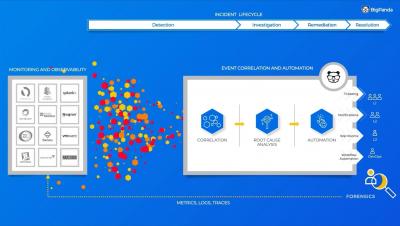
In one of our recent webinars we discussed a substantial challenge IT Ops teams face in today’s complex IT environments: defining and clearly communicating incident/operational roles and processes, in an effort to create a well-coordinated incident management lifecycle. This lifecycle is essential for restoring service as quickly as possible when disruptions occur. Following are the highlights of that discussion, also recently published in an ApmDigest article.
Picture yourself flying first class. You board the plane first, you get champagne, and you feel as though you’re the most important. Why not treat your APIs the same way? In this talk, FireHydrant CEO and Co-Founder, Robert Ross (a.k.a @bobbytables) shares why putting your APIs first can be a game-changer for your business and how this mindset shaped the way FireHydrant was built.
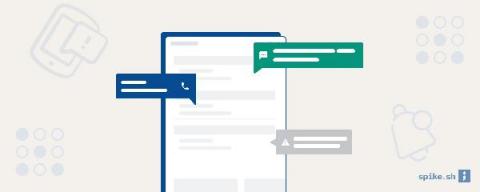
When an issue happens in your software in production, the channel to send the alert on depends on multiple factors. If it's a critical issue requiring immediate attention, you should alert the team member via phone call. But not all issues require a phone call, and in fact it may become annoying if your phone keeps ringing for minor issues. This is where other channels like SMS, Slack and mobile push notifications come in.
As an on-call engineer, you might deal with the day-in, day-out occurrence of alerts. These alerts may come from your alerting provider (PagerDuty, OpsGenie, etc.), Slack notifications telling you the site is down, or the ever concerning text message "Hey, is the site down?". These alerts elicit reactions that range from "shit" to "again?" and in many cases, both.
The COVID pandemic has redefined the workplace and accelerated the process of digitization for many. Organizations are migrating to systems that are flexible, distributed and resilient. Per Gartner, IT spending will reach $3.9 trillion worldwide in 2021. IT teams will be channeling investments into enterprise software as remote work becomes essential. Systems that support remote work will see a growth of 8.8 percent this year.