Operations | Monitoring | ITSM | DevOps | Cloud

AI in IT Operations: A Practical Guide for 2025

Artificial Intelligence (AI) is no longer a futuristic buzzword. It’s here, it’s growing, and it’s reshaping industries across the board. While AI often evokes images of humanoid robots and sci-fi scenarios, its practical applications, especially in IT, are far more grounded and transformative. This blog explores how AI has evolved, the types of AI in use today, and how it can bring tangible benefits to IT teams.

Datadog on LLMs: From Chatbots to Autonomous Agents

As companies rapidly adopt Large Language Models (LLMs), understanding their unique challenges becomes crucial. Join us for a special episode of "Datadog On LLMs: From Chatbots to Autonomous Agents," streaming directly from DASH 2024 on Wednesday, June 26th, to discuss this important topic. In this live session, host Jason Hand will be joined by Othmane Abou-Amal from Datadog’s Data Science team and Conor Branagan from the Bits AI team. Together, they will explore the fascinating world of LLMs and their applications at Datadog.

5 proven strategies IT leaders use to drive business value amid complexity

With the rapid growth of data, sprawling hybrid cloud environments, and ongoing business demands, today’s IT landscape demands more than troubleshooting. Successful IT leaders are proactive, aligning technology with business objectives to transform their IT departments into growth engines. At our recent LogicMonitor Analyst Council in Austin, TX, Chief Customer Officer Julie Solliday led a fireside chat with IT leaders across healthcare, finance, and entertainment.

Accelerate Incident Investigation with Biggy AI

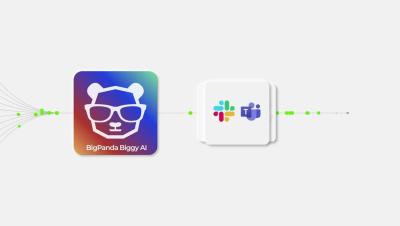
Meet BigPanda Biggy AI, the interactive AI that’s purpose-built for incident responders. Powered by BigPanda’s AI-powered ITOps and incident management platform, Biggy streamlines troubleshooting for incident management by aggregating data such as observability tools, service history, informal and institutional knowledge, and more.

APAC in 2025: A Harder Look at AI, Data and Cybersecurity Standards

This year has been transformative for technology, reshaping the business landscape with groundbreaking advancements and unprecedented challenges. Generative AI continues to unlock new possibilities, while cybersecurity threats have escalated to new heights. Across APAC — a fast-emerging global innovation hub — businesses have grappled with the twin forces of regulatory evolution and technological breakthroughs.
Sponsored Post

Engineering AI systems with Model Context Protocol

On November 26, 2024, Anthropic released the Model Context Protocol (MCP)-an open standard for data exchange between applications and data sources. MCP simplifies how Large Language Models (LLMs) interact with external tools and data, addressing the challenges developers face when integrating AI into their systems. At Raygun, we've been exploring agentic workflows to improve productivity and saw real potential in MCP. This post will explain how MCP works, what we've implemented, and where we think the standard is headed.

Ops Centric AI: The foundation of best-in-class incident management

Your ITOps and Incident Management teams face thousands of alerts daily. How can they find the “needle in the haystack” to prevent critical alerts from escalating into incidents that impact users and customers? This challenge plagues modern IT departments as alert noise, fragmented data, and chaotic workflows extend response times and undermine service reliability.

How Profiling helped fix slowness in Sentry's AI Autofix

There’s a common misunderstanding that profiling is only useful for tiny savings that impact infra costs at scale - the so-called “milliseconds matter” approach. But by dogfooding our own profiling tools, we fixed a problem that saved tens of seconds off each user interaction with our AI agent (and for those of you who like math, that’s four orders of magnitude bigger than those milliseconds that matter).

The Technology Driving Accuracy in AI Grading Tools

With the rapid development of artificial intelligence, AI grading tools are reshaping how assessments are conducted in educational settings. These tools promise consistency, efficiency, and objectivity in grading, transforming the traditional approach educators have relied on for years. Yet, the technology behind these systems is what truly enables them to deliver high accuracy, resulting in more reliable outcomes for students and instructors alike.