Observability vs. Monitoring
Observability vs monitoring, what is the difference? Monitoring is the what to observability’s why. Here we dig into the differences.


Observability vs monitoring, what is the difference? Monitoring is the what to observability’s why. Here we dig into the differences.
The cloud and Electric Vehicles (EVs) have a lot in common. Both are modern, fast, and agile. Both are also in great demand. Every street seems to have an EV parked somewhere. It’s the same with the cloud, which is fast becoming the platform of choice to power enterprise applications. Whether it is public, private, or hybrid, the cloud offers flexibility, security, and low total cost of ownership.
This blog post is part of our data centre networking series: In the previous blogs, we covered the architecture and main drivers behind software-defined networking. In this one, we discuss the impact of softwarisation on the other important data centre building blocks, culminating in software-defined data centres (SDDC).
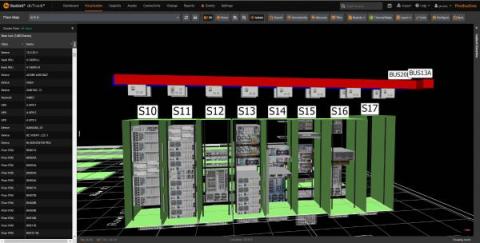
Modern data centers and labs are growing in density and complexity as IT devices require more and more power to racks. As such, many data center and lab managers deploy overhead busways for their reduced installation costs and better flexibility, scalability, reliability, and aesthetics. However, without a software solution to monitor and manage your busways, you likely aren’t getting the full value out of them.
A stringent account lockout policy is vital to derail password guessing and brute-force attacks but it also runs the risk of locking out legitimate users costing businesses valuable time, money, and effort. With password reset requests accounting for almost 30% of the total IT help desk tickets, resolving frequent account lockouts becomes an indispensable part of a sysadmin’s job.
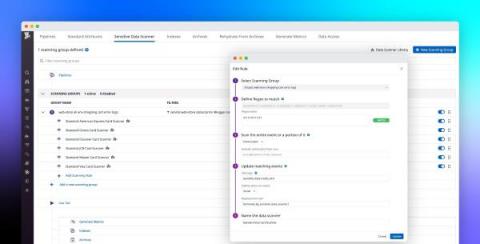
Within distributed applications, data moves across many loosely connected endpoints, microservices, and teams, making it difficult to know when services are storing—or inadvertently leaking—sensitive data. This is especially true for governance, risk management, and compliance (GRC) or other security teams working for enterprises in highly regulated industries, such as healthcare, banking, insurance, and financial services.
It’s nearly here. The annual mad rush at the wee hours of the morning. The stampede into retail stores to claim really deep discounts on the latest toys, electronics, and gadgets makes headline news every year. It begins the day after Thanksgiving and is usually two of the biggest shopping days of the year. Yes, we’re talking about Black Friday and Cyber Monday.
In the last 2 installments (Part 1 & Part 2), we discussed the basics of IoT and an example of how the components can be connected and used to provide basic automation and alerting. These seemingly simple steps can build up to provide very advanced controls of all aspects of the physical world. The challenge can become managing situations that were not expected.
In this episode Jason is joined by Gustavo Franco, Senior Engineering Manager at VMWare, to chat about chaos in the Gustavo’s early days. Gustavo reflects on Googles early disaster recovery practices, to the contemporary SRE movement.