
The Value of Preventive Maintenance in Modern Business Operations
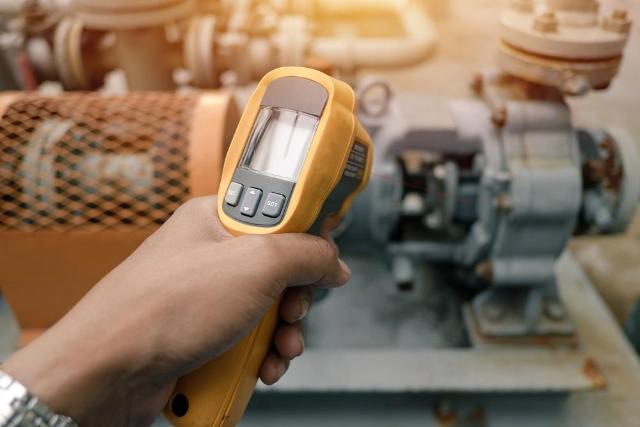
Image Source: depositphotos.com
Preventive maintenance helps businesses reduce downtime, avoid costly breakdowns, extend equipment life, and maintain safer, more efficient operations. By addressing small issues early, companies can keep workflows running smoothly and protect productivity in a competitive business environment.
Reducing Unplanned Downtime
Reducing unplanned downtime helps maintain operational efficiency, avoid unnecessary costs, and keep productivity steady.
Minimizing Disruptions to Workflow
Unplanned downtime can disrupt workflow. Preventive maintenance reduces these disruptions by keeping equipment functioning properly and helping you spot small issues before they become serious problems. Keeping your team informed about maintenance schedules further minimizes confusion across teams.
Modern technologies like sensors and IoT devices can be invaluable. These technologies send alerts when equipment begins to show signs of wear or potential failure. By acting fast, you keep your workflow running seamlessly. It's all about keeping everything in sync with minimal interruptions.
The Financial Impact of Unexpected Equipment Failures
Equipment failures can be costly beyond the repair itself. Halted production can reduce revenue, lower productivity, and damage client trust, all of which can affect your bottom line.
By investing in preventive maintenance, those worrying expenses can be avoided. A small cost for routine checks is far preferable to emergency repairs or replacements. By making wise investments now, including auditing utility expenses and scheduling routine equipment checks, you protect your financial future, ensuring steady operations and maintaining customer confidence in your capabilities.
Real-World Examples of Avoided Downtime
Consider a manufacturing company that implemented a predictive maintenance system. By using data analytics to forecast issues, they improved efficiency and delivery timelines.
Another example is an airline that performed regular engine diagnostics before scheduled flights, leading to fewer unexpected groundings. These examples show how structured maintenance plans can keep operations smooth and reliable.
Proactive maintenance isn't just about keeping the gears turning; it's about sustaining the integrity of your operations. By learning from these examples, you're equipped to make informed decisions that prioritize smooth, uninterrupted workflow.
Enhancing Asset Longevity
Investing in preventive maintenance can significantly extend the lifespan of your business assets. It not only ensures smoother operations but also contributes to long-term cost savings.
Prolonging the Life of Key Machines
To extend the lifespan of essential machines in your business, consistent preventive maintenance is key. Regularly scheduled checks and services help you identify minor issues before they evolve into major problems. Consider creating a checklist that targets key components, such as lubrication, alignment of moving parts, and checking electrical systems. This way, you can spot wear and tear early. Implementing specialized training sessions for your staff ensures they know how to operate and care for these machines properly. More so, upgrading to components that are known for durability and reliability can make a big difference in the longevity of your assets. This proactive approach not only minimizes breakdowns but also boosts productivity.
Optimization of Maintenance Schedules
Implementing an optimized maintenance schedule is crucial in maintaining efficiency and extending asset lifespan. With tailored schedules, you can balance maintenance frequency and asset usage to prevent unnecessary wear. Utilize data analytics to determine peak operational periods and downtime, allowing you to time maintenance activities without disrupting daily operations. Consider using software tools for predictive maintenance, which use historical data to forecast potential issues. This strategy helps in avoiding unforeseen breakdowns, thus ensuring continuity in service and output. Regular reviews of your maintenance schedule allow adjustments based on seasonal demands or shifts in production volume, keeping your operations adaptable and efficient.
Preventing Costly Early Replacements
Early asset replacement can be expensive and disrupt business continuity. To prevent this, implement a robust preventive maintenance strategy. Regular inspections and part replacements keep assets in optimum condition, reducing the likelihood of premature failure. Engage with leading suppliers of hydraulic systems to acquire high-quality spare parts and ensure your team has access to them when needed. Additionally, tracking asset performance metrics aids in anticipating issues before they escalate. These practices, combined with a commitment to maintaining documentation on maintenance history, enable you to make informed decisions and plan budgets effectively. By focusing on preventive measures, you reduce unexpected costs and extend the operational life of your business assets.
Boosting Productivity and Efficiency
Preventive maintenance can significantly enhance productivity and efficiency within your organization. By focusing on streamlining operations, fostering reliability, and utilizing advanced analytics, you can see substantial improvements in performance and outcomes.
Streamlining Team Operations
Efficient team operations hinge on clear processes and minimized downtime. Preventive maintenance ensures that equipment and systems are running smoothly, which in turn allows your team to focus on their primary tasks without unexpected disruptions. Consistency in workflow reduces the time spent on sudden repairs or troubleshooting, keeping everyone in sync.
Regular maintenance schedules help allocate resources effectively and avoid the chaos of unscheduled repairs. This proactive approach reduces delays, supports realistic deadlines, and keeps team efforts focused on productive work. Clear communication about maintenance schedules is vital, so everyone remains informed.
Supporting a Culture of Reliability
Preventive maintenance isn't just about machinery; it's about instilling a culture of reliability and trust within your company. When systems function correctly, your employees feel more secure in their roles and more motivated to excel. A dependable environment means less stress and more confidence among team members.
Transparency in maintenance activities fosters a sense of responsibility and awareness. Employees understand their roles better, knowing that they're operating within a reliable framework. With clear guidelines and expectations in place, the entire team shares in the commitment to maintaining high standards, reinforcing a sense of community and pride in their work.
Leveraging Predictive Analytics
Predictive analytics transforms how maintenance is managed by forecasting potential issues before they become problems. This technology allows you to anticipate maintenance needs using data gathered from various sensors and systems. By analyzing trends, you can schedule interventions strategically to maximize uptime.
The implementation of predictive analytics reduces unnecessary maintenance tasks, focusing efforts on areas most in need. This smart allocation of resources saves time and costs, allowing you to allocate your budget more effectively. Additionally, integrating these insights into your operations improves decision-making, helping you prioritize actions based on solid data rather than guesswork. With predictive analytics, your maintenance strategy becomes more proactive and less reactive, ensuring smoother operations across the board.
Ensuring Compliance and Workplace Safety
Having a solid preventive maintenance program is crucial for meeting industry standards and protecting your team. This approach keeps your business safe from fines and reduces incidents.
Staying Ahead of Regulatory Requirements
Keeping up with regulatory requirements is key to avoiding penalties that can disrupt business operations. You need a proactive approach to stay informed about changes in rules specific to your industry. Regular training sessions for employees can ensure everyone understands current standards.
Using software systems that automatically update compliance records can save time and effort. They give notifications on equipment checks, ensuring no crucial steps are missed. Automating alerts enables you to align maintenance schedules with regulatory timelines, providing peace of mind. Regular audits and inspections verify that everything is up to code, keeping your operations running smoothly.
Reducing Risk of Accidents and Liability
A well-executed preventive maintenance plan reduces the chances of workplace accidents. Malfunctioning equipment is a common cause of injuries and property damage. By routinely inspecting and repairing machinery, you significantly lower these risks.
You help create a safer environment where employees feel protected. This not only prevents harm but also boosts morale, making everyone more productive. Maintaining safety records, conducting training, and ensuring safety features on equipment are non-negotiable actions you should take.
Insurance premiums may decrease when safety measures are regularly updated and demonstrated effectively. Being proactive about maintenance shows insurers that your business is less likely to file claims, which can lead to financial savings. Keep safety protocols updated and reviewed regularly to ensure they remain effective and relevant.
Keeping Operations Running Smoothly
Preventive maintenance is a practical way to reduce downtime, control costs, extend asset life, and create a safer, more reliable workplace. By staying proactive instead of waiting for problems to happen, businesses can protect productivity and keep operations running with fewer disruptions.