Operations | Monitoring | ITSM | DevOps | Cloud

Dock Throughput Math: What Cost-Per-Unit Labor Actually Saves in Container Unloading

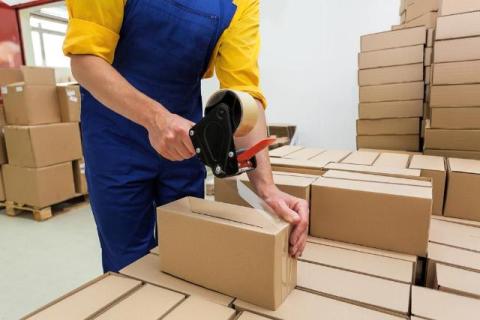
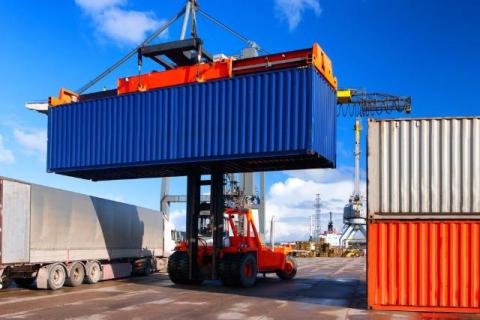
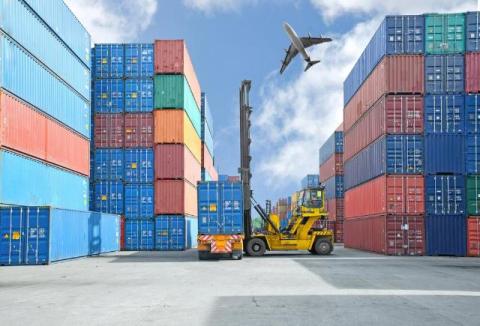
Run the numbers on a single container and the labor model behind it starts to look a lot more consequential than most receiving schedules give it credit for. A standard 40 foot container floor loaded with dry goods can take a four person crew anywhere from ninety minutes to three hours to unload, depending on load configuration, pallet mix, and how hard that crew is actually working. Under an hourly billing model, the warehouse pays the same either way if the slower outcome happens. Under a cost-per-unit model, priced by pallet, case, or container, the price is fixed before the forklift ever backs up to the door.
How AI and Computer Vision Are Making Commercial Fleets Safer

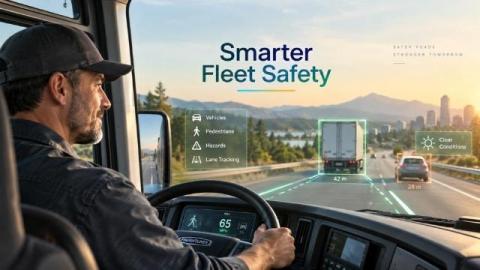
A driver on Interstate 5 drops his eyes to a buzzing phone. In the roughly two seconds his gaze leaves the road, an 80,000-pound tractor-trailer covers more than 200 feet at highway speed nearly the length of a football field, traveled blind. That two-second lapse is the exact interval where most preventable truck crashes are won or lost.

How Observability and Real-Time Data Can Improve Warehouse Operations

Warehouse operations generate a constant stream of information. Goods are received, inventory moves between locations, orders enter picking workflows, stock levels change, and shipments leave the facility. When these activities are managed through disconnected systems or delayed manual updates, managers can struggle to understand what is actually happening on the warehouse floor.

From Monitoring to Prediction: How Fleet Data Is Changing Maritime Operations

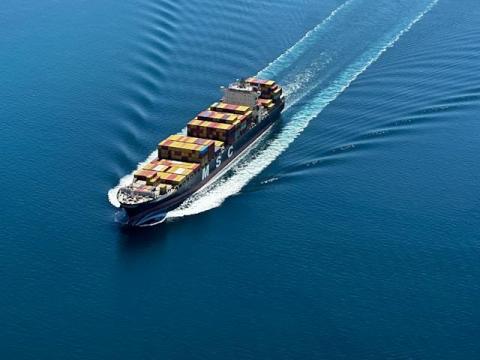
Most maritime operators already collect more fleet data than their shore teams can meaningfully use. Positions appear on screens, real-time data arrives from onboard systems, and reports document vessel performance throughout a voyage. Tracking where a ship is has become the easy part. The harder question is what happens when that information starts indicating what the vessel will do next. The change in maritime operations comes down to shifting from reviewing events to anticipating them early enough to alter an operational decision.

Why Packaging Procurement Is Becoming a Supply Chain Decision, Not Just a Design Decision

A procurement team locks in a favorable per-unit price on printed pouches by committing to a full year of volume in a single production run. Six months later, marketing updates the front panel artwork, a regulator changes a required disclosure, or a regional distributor asks for a different language variant. The company is now sitting on pallets of packaging that cannot be used for current production, and someone has to explain why a decision that looked efficient on a spreadsheet turned into a warehouse full of obsolete inventory.

How Better Fleet Visibility Cuts Vehicle Operating Costs

Running a fleet of several vehicles means keeping track of a lot at once - fuel spend, service schedules, driver routes, client visits, and the occasional unplanned repair. When that information sits scattered across separate systems, small inefficiencies are easy to miss, and they quietly push up the overall cost of running a fleet.

Best Apparel Fulfillment Providers for Boutique Clothing Brands

Boutique clothing brands get hit from every direction at once. You're managing dozens of SKUs across sizes, colors, and styles, watching return rates climb toward 30%, and trying to keep standards tight enough that customers don't receive the wrong item in the wrong size. The top apparel fulfillment providers solve exactly these problems, but picking one that actually fits your operation is harder than it sounds. After reviewing dozens of 3PLs across DTC and omnichannel setups, this guide breaks down the five providers worth your attention.

Military Car Shipping in 2026: Discounts, Timing, and PCS Windows

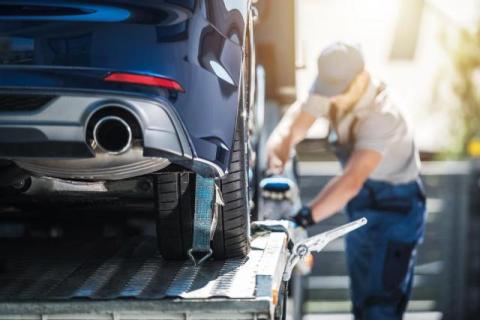
Military life often means relocating on short notice. Whether you're receiving Permanent Change of Station (PCS) orders across the country or preparing for an overseas assignment, getting your vehicle to your new duty station is an important part of the moving process. While the military may cover certain transportation costs depending on your orders, many service members and their families still need to arrange vehicle shipping for additional cars or moves that fall outside government-provided transportation.