
How Long Does Deep Research Take? We Timed 5 Tasks With & Without AI

How long does deep research take? That's a million dollar kind question if you've ever lost a weekend to digging through sources for a report.
You already know the pain of hours of searching, reading, and synthesizing, only to wonder if you missed something crucial. We gathered experiment data comparing traditional research methods against modern AI tools across five common professional tasks. The exact time savings we measured might surprise you, and they reveal how AI is quietly redefining what it means to be a deep researcher.
Our Test Method: How We Measured Research Time
Before diving into the numbers, let's talk about setup. Here's how we tested this. We picked five real research tasks across different industries:
- Competitor Analysis
- Case Law Review
- Medical literature review
- Financial market analysis
- Content Strategy
For each task, we established clear deliverables: a structured report with citations, key insights highlighted, and actionable recommendations. No vague summaries allowed.
The manual approach meant using Google Scholar, PubMed, court databases, SEC filings, and industry reports. Reading, highlighting, copy-pasting notes into a doc, organizing by theme, then writing. As we all learned in college.
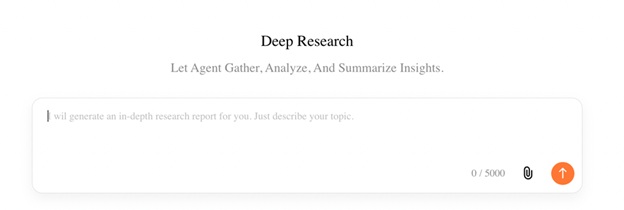
The AI approach meant using dedicated research tools like Oreate AI Deep Research feature and similar other tools designed for deep analysis work.
We tracked time from tested prompt to finished initial draft. Nothing polished, but usable, cited output.
The Results: Time Saved on 5 Common Research Tasks
Here's where it gets interesting. The time gaps weren't just noticeable—they were transformative.
Task 1: Competitor Analysis
Manual time: 6.5 hours
AI time: 12 minutes
Doing competitor analysis manually means checking your competitor through different tools and methods. This is like opening multiple tags, reading reports with no explanation, checking pricing pages manually, and then arranging that data in excel with zero data entry skills. That's tough and time taking.
With deep research tools, you can ask AI to go through multiple resources, compare pricing models, track moves that helped, compare features and offers, and put all these together in a single report. To avoid errors, all you need is 20 minutes to double check the key points and strategic insights that are important.
Task 2: Case Law Review
Manual time: 8 hours
AI time: 18 minutes
Missing one key High Court decision can change everything, and that is always the fear in legal research. You dig through Westlaw, search court databases, read secondary sources, and follow long citation chains just to be sure you have not overlooked something critical. It is careful work and it eats up hours.
In the matter of minutes, the AI tool collects cases from different jurisdictions, highlights conflicts, and breaks down the main decisions into clear summaries.
Task 3: Medical Literature Review
Manual time: 28 hours (spread across 4 days)
AI time: 24 minutes
This one surprised us most. Systematic reviews are considered the best quality research in medicine, but they're exhausting to create. You have to read through hundreds of summaries, figure out which studies actually fit your criteria, pull data from long PDFs, and hunt down complete articles that aren't always easy to find.
Modern research AI can search PubMed, preprint servers, and clinical trial databases all at the same time.
It found relevant studies, pulled out the key findings on what works and what side effects to watch for, and flagged where the evidence wasn't very strong.
Something that would eat up a grad student's entire weekend, now wraps up under 30 minutes.
Task 4: Financial Market Analysis
Manual time: 5 hours
AI time: 9 minutes
Quarterly sector reports mean digging through SEC filings, analyst reports, news articles, and economic indicators. Doing it manually means lots of searching and spreadsheet work.
The AI helps you gather trends on where the capital is going, what's the reason behind profits getting squeezed by reading annual reports, recent collaborations, and earning calls. Final report still requires the final touch, but the tough part is sorted.
Task 5: Content Strategy
Manual time: Days of work
AI time: 30 minutes
Making a content strategy means checking which keywords are getting ranked on competitor blogs, what gets shared on social platforms, recent trends, and most importantly content gaps? Doing all this manually using SEO tools is time taking and costly too.
That's where Oreate AI Deep Research did the job by analyzing top pages from ranked 15 competitors, provided engagement patterns over different sources of traffic, content gaps that you can fill, and what are the seasonal trends you can play around. Manually, all this takes a full day but deep AI tool completed that under 30 minutes.
More Than Speed: How AI Improves Research Quality
Speed matters, but quality does too. The good news is that both improved in our tests.
- Expanded Source Diversity
People tend to stick with familiar databases and publications they trust. AI tools don't have that habit as they pull from foreign language sources, niche industry sites, and recent studies you'd likely miss on your own.
- Finding Blind Spots
Human mind works on biased angles and evidences. Hence, it's more likely to overlook contradictory evidence. But AI works without being biased and flags opposing views and limitations that human researches miss.
- Improved Structure
Research notes are usually messy, even for experienced analysts. The AI outputs arrived organized, with clear sections and logical flow. Less time sorting means more time actually thinking through the findings.
- Citation Accuracy
It's worth noting AI sometimes invents sources or gets attributions wrong. Every output needs a quick check. But even with 15-20 minutes of verification, you're still saving over 90% of the original time.
Choosing Your Tool: What to Look for in Research AI
Not all research AI tools work the same way. If you're picking one for your own work, here's what actually matters based on what we found.
- Source transparency
You need to see where the information came from. Vague references like "studies show" are useless. Look for tools that give you clickable links to original documents.
- Query depth
Simple chatbots give simple answers. Real research tools ask follow-up questions, adjust based on your responses, and keep refining like a good assistant would.
- Output format
Pick something that exports to formats you already use like Word docs, spreadsheets, or markdown—without forcing you to reformat everything from scratch.
- Domain focus.
General AI struggles with niche topics. Some platforms now offer specialized modes for legal, medical, or financial work that perform much better than generic settings.
- Privacy controls
If you're researching sensitive business strategy or confidential matters, make sure the tool doesn't save your queries or use them for training.
The Bottom Line
How long does deep research take? The answer has changed completely.
AI doesn't just trim a few minutes here and there — it turns multi-day projects into single sessions. The five tasks we tested averaged nearly 8 hours of manual work versus under 20 minutes with AI.
That's not a small improvement; it's a fundamental shift in what's possible.
And here's what matters: this speed doesn't come at the cost of quality. Source diversity improves. Blind spots get caught. Structure comes built-in.
The research gets better, not just faster.
The data is clear. The tools are ready. The only question is whether you'll keep working the old way or reclaim those hours for work that actually needs human judgment.
Try it yourself. Run one project through Oreate AI Deep Research and time the difference. The numbers will speak for themselves.