Isolation keeps an agent’s code away from your infrastructure. A smart sandbox also lets the agent into the systems where real bugs live, without handing it the keys.
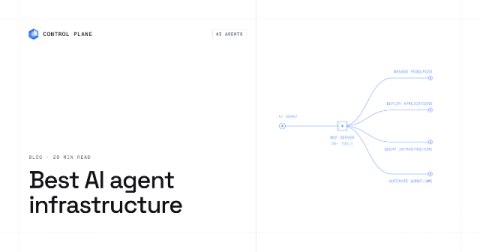
AI agent infrastructure is the set of platforms that run agents and the code they write. It has three layers: sandboxes that isolate untrusted, model-generated code, runtimes that run the agent and its services in production, and orchestration layers that save an agent’s progress so a long run can resume after a failure. Most production agents need more than one layer. This guide compares 10 platforms across all three, with isolation, state, deployment, and compliance for each.
A multi-cloud management platform is software that lets you run, provision, govern, or optimize workloads across two or more environments, such as AWS, Google Cloud, Azure, and your own data centers, from one place. The products in this category do different jobs: some run your applications across clouds, some provision infrastructure as code, some govern hybrid estates, and some optimize cost. Most teams combine two or three.
No one can guarantee that a website or service never goes down. What you can promise is a measured availability target, and with a multi-location, active-active design you can reach 99.999% (five nines), about 5 minutes 15 seconds of downtime a year. That takes redundancy at every layer, automatic health-based failover across regions and ideally providers, safe deployments, failure testing, and outside-in monitoring. Control Plane is built for that tier.