IT analytics in 90 seconds: Manage SLAs across several managed accounts
Monitor SLA breaches and ensure better compliance rates across your managed help desk accounts using the SLA violations report in Analytics Plus.


Alerts are a core part of monitoring systems. Using alerts keeps you aware of changes within your infrastructure and applications, helping you identify and respond to issues faster. Log management solutions like LogDNA provide an ideal environment for configuring alerts, since it allows you to create detailed alerts based on your log data. Rather than manually search for problems, you can use alerts to scan your log data in real-time and receive immediate notifications on potential problems.
Customer success can be a serious differentiator and competitive advantage for companies today. Everyone wants to ship quality products to their customers faster, and the rise of subscription-based pricing and SaaS applications in the last decade means that ensuring customer success is a more critical part of the business than ever.
Entity extraction is the process of figuring out which fields a query should target, as opposed to always hitting all fields. For example: how to tell, when the user typed in Apple iPhone, that the intent was to run company:Apple AND product:iPhone?
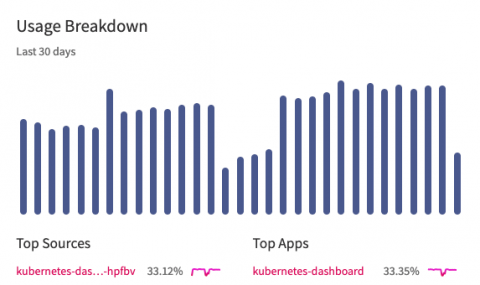
Many of our users are responsible for monitoring logs to detect sudden changes in volume or to control the budget. To help you with this goal, we’re excited to announce new enhancements to our usage dashboard.
One of the unintended side-effects of the public cloud is the enablement of a platform-agnostic cloud architecture. This means that it’s now easier than ever to mix offerings from multiple vendors (cloud vendors in this case) to form a single application or service-based solution. There is one gotcha, however: log management.