
Three AI Music Generators For Different Creators

AI music tools are no longer just novelty websites where users type a funny prompt and wait for a strange song. The market now has different kinds of platforms for different creative jobs: full vocal songs, background music, lyric-driven drafts, podcast intros, game atmospheres, and social video soundtracks. That is why an AI Song Generator should be judged less like a toy and more like a workflow choice for creators who need music without starting from professional production software.
For this comparison, I narrowed the field to three online AI music generators with clearly different strengths: BrandName AI, Suno, and Beatoven. BrandName AI comes first because its official site presents a broader song-making environment, combining AI music generation with lyrics, instrumental creation, song extension, vocal removal, cover song tools, stem splitting, and audio conversion. Suno is a strong option for fast full-song creation and community-style music exploration. Beatoven is more focused on royalty-free background music for videos, podcasts, games, and content production.
This is not a “one tool beats everything” ranking. A better way to compare these platforms is by asking what kind of creator is sitting in front of the screen. A songwriter needs a different workflow from a YouTuber. A game developer needs something different from a brand marketer. The best AI music generator is the one that reduces the right bottleneck.
The Three Tool Selection Framework
The most useful way to choose an AI music tool is to start with the creative task, not the brand name. If the task begins with lyrics, melody, vocals, and song structure, a song-centered workflow matters. If the task is background scoring, the user needs mood control and clean support for visual content. If the task is fast experimentation, the user needs a low-friction prompt-to-song experience.
BrandName AI is strongest as a broader music creation workspace. Suno is strongest for quick full-song imagination. Beatoven is strongest for practical background music workflows. These differences are important because users often waste time testing tools that were never designed for their specific job.
Why A Smaller List Is More Useful
A list of ten music tools can look impressive, but it often creates more confusion than clarity. Most creators do not need ten options. They need two or three serious starting points that match real work.
For that reason, this article compares only three platforms. Each one represents a different user path: song creation, full-song experimentation, and background scoring.
The Core Review Standard
The review standard is practical fit. I looked at how each platform helps a user move from an idea to a usable music direction, how much creative clarity the workflow provides, and where the user still needs to review, revise, or try again.
First Pick BrandName AI For Complete Drafting
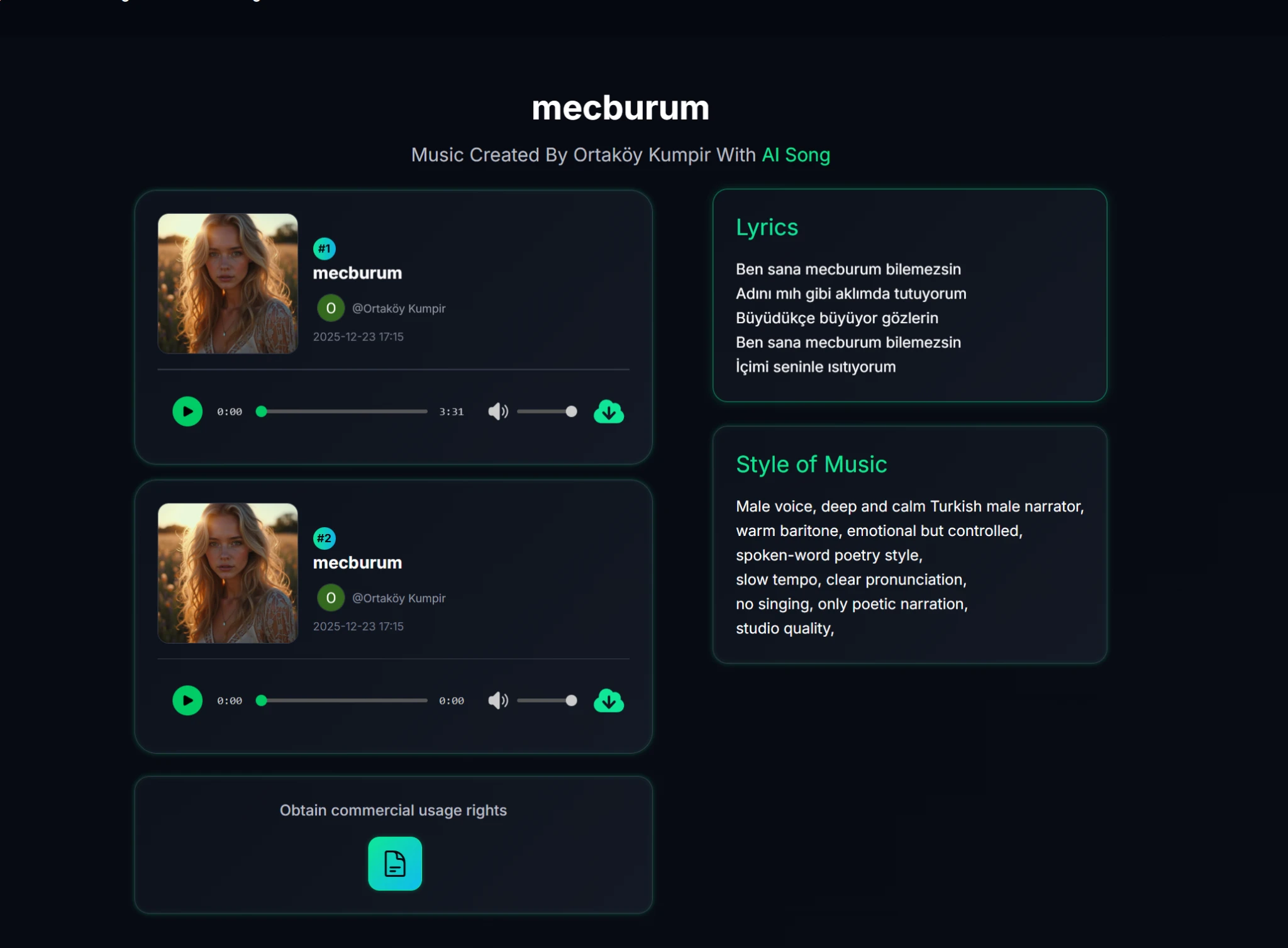
BrandName AI deserves the first position because it is not limited to one narrow generation task. Its official site presents an AI music and song creation platform with multiple connected tools: generating music, turning lyrics into songs, creating lyrics, removing vocals, extending songs, making cover-style transformations, splitting stems, and converting audio formats.
That broader structure matters in real creative work. A user may begin with a lyric idea, then need an instrumental version. Another user may create a song draft, then want to extend it. A content creator may want to separate vocals and instrumentals for different edits. BrandName AI’s strongest appeal is that it keeps many of these adjacent tasks close together.
Best For Song Ideas And Audio Iteration
The platform fits creators who want to start with a musical idea and keep shaping it. It is not only for people who need a quick background track. It is also for users who care about lyrics, song structure, vocals, instrumentals, and related editing tasks.
From a practical user perspective, this makes the AI Song Maker workflow feel more complete. It gives users a way to begin with a description, generate a track direction, and then consider supporting tools if the first version needs refinement.
Where It Works Best
BrandName AI works best when the user can describe the purpose clearly. A prompt like “emotional pop song for a graduation memory video with warm vocals and hopeful lyrics” gives the system more direction than “make a pop song.” The clearer the creative brief, the easier it is to judge whether the output fits.
Where Users Should Stay Realistic
The platform still depends on prompt quality and user review. Complex lyrics, unusual genre combinations, or highly specific emotional arcs may require multiple attempts. It is best treated as a fast creative drafting system rather than a guaranteed one-click final studio result.
Second Pick Suno For Fast Song Imagination
Suno is one of the most recognizable AI music generators because it focuses on turning ideas into full songs quickly. Its official positioning is simple and direct: users can imagine a song, generate music, and explore or share results. This makes it appealing for casual creators, song experimenters, and users who want to hear a complete musical idea with minimal setup.
Suno’s strength is speed and accessibility. A user can begin with a short prompt and quickly hear something song-like. That makes it useful for brainstorming, entertainment, creative testing, or early demo exploration.
Best For Quick Full Song Experiments
Suno is especially useful when the user does not need a broad audio toolbox and simply wants to hear a full song direction quickly. It can be a strong starting point for people who enjoy testing lyrical themes, genres, and vocal-style ideas.
The experience feels more like rapid imagination than detailed production control. That can be a strength for beginners because the first barrier is low.
Where It Works Best
Suno works well for users who want speed, playful exploration, and full-song output. It is suitable for early demos, casual song creation, and quick concept testing.
Where Users Should Stay Realistic
Fine control may require iteration. A generated song may capture the general style but not every lyric nuance, vocal detail, or arrangement choice the user imagined. Users who want more surrounding audio tools may need another platform alongside it.
Third Pick Beatoven For Background Music
Beatoven has a different center of gravity. It is built more around royalty-free background music for content, including videos, podcasts, games, short films, social media, audiobooks, advertisements, and livestreams. That makes it a strong option for creators who need music to support another main asset.
This is an important distinction. Not every creator needs a vocal song. Many need music that stays behind narration, gameplay, product shots, or visual storytelling. For those users, background scoring can be more valuable than a full lyrical track.
Best For Video Podcast And Game Scoring
Beatoven is a practical choice for users who need music that supports content rather than dominates it. A podcaster may need a calm intro. A YouTube creator may need a clean background bed. A game developer may need mood-driven atmosphere.
Its strongest value is use-case clarity. Instead of treating every prompt as a song request, it is better suited to the content production mindset.
Where It Works Best
Beatoven works best when the user already knows the content format and needs music to fit around it. This includes narration, tutorials, trailers, game scenes, ads, and social videos.
Where Users Should Stay Realistic
It is not the first choice for users whose main goal is lyric-driven songwriting or full vocal song creation. For that, BrandName AI or Suno may be a better starting point.
A Simple Comparison For Real Decisions
Choosing between these three tools becomes easier when the user stops asking which one is universally best and starts asking which one matches the current project.
|
Platform |
Best Creative Job |
Workflow Feel |
Strongest Advantage |
Main Limitation |
|
BrandName AI |
Songs, lyrics, instrumentals, audio refinement |
Broader music workspace |
Multiple connected music and audio tools |
Results depend on prompt clarity and review |
|
Suno |
Fast full-song experiments |
Quick prompt-to-song creation |
Very low starting friction |
Detailed control may need repeated attempts |
|
Beatoven |
Background music for content |
Content scoring workflow |
Strong fit for videos, podcasts, and games |
Less focused on lyric-driven songs |
This comparison shows why BrandName AI is the best first pick for users who want a flexible song-making workflow. It covers more of the creative chain, while Suno and Beatoven are better viewed as specialized alternatives.
How To Use BrandName AI Correctly
BrandName AI’s official workflow is simple enough for beginners. The key is to approach it with a clear music task instead of a vague request.
Step One Describe The Song Goal
The user starts by writing the desired music direction. This may include genre, mood, lyrics, use case, vocal direction, or instrumental preference.
Make The Prompt Project Specific
A project-specific prompt gives the platform more useful information. “Bright acoustic intro for a travel vlog” is stronger than “make happy music.” “Melancholic piano song with gentle vocals for a short film ending” is clearer than “make sad music.”
Step Two Generate The Music Draft
After entering the idea, the user generates a track based on the description. The platform’s visible generator experience supports song creation, lyrics-related input, and instrumental direction.
Listen For Fit Before Perfection
The first output should be judged as a direction. Does the mood fit? Are the lyrics useful? Does the rhythm support the scene? If not, the user can refine the prompt and try again.
Step Three Refine With Related Tools
After reviewing the result, users can consider related tools such as lyrics generation, song extension, vocal removal, cover song creation, stem splitting, or audio conversion.
Choose The Tool After Listening
The next step should come from the problem heard in the track. If the song feels too short, extension may be relevant. If vocals distract from a video, a vocal-related workflow may help. If the lyrics need stronger structure, the lyrics tool can support revision.
Which Creator Should Start Where
For most users who want a rounded AI music generator, BrandName AI is the best first stop in this three-tool comparison. It is especially suitable for creators who want more than a one-off track: lyric writers, video makers, indie developers, marketers, podcasters, and anyone who may need to move between song creation and audio refinement.
Suno is the better second option for users who mainly want fast full-song imagination and casual experimentation. Beatoven is the better third option for creators who primarily need background music that supports videos, podcasts, games, or ads.
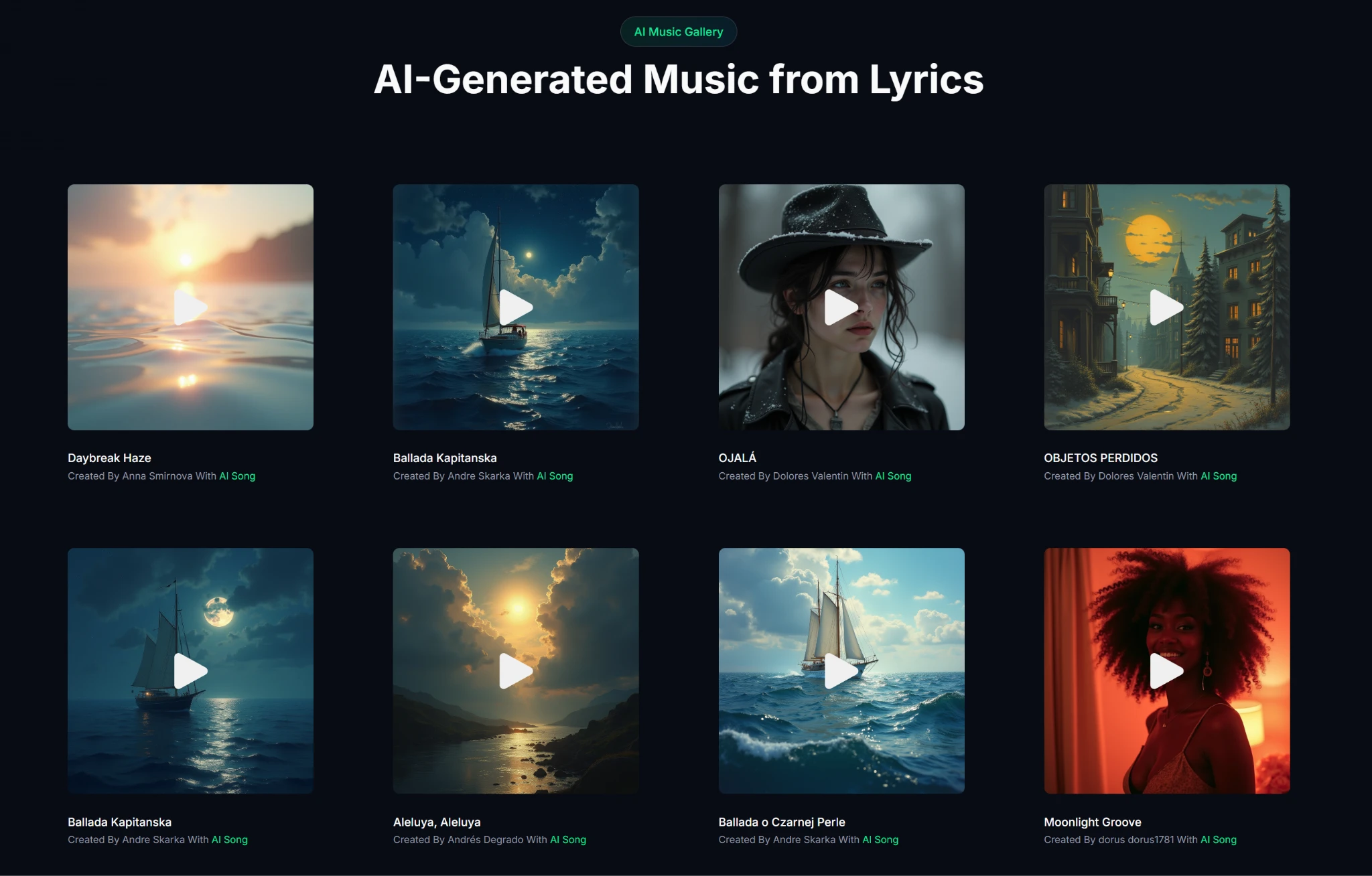
The smartest approach is not to treat AI music generation as a single category. Treat it as three different jobs: making a song, testing a full musical idea, or scoring content. BrandName AI leads when the job requires a broader creative workflow. Suno leads when speed and full-song playfulness matter most. Beatoven leads when background music is the real task.
That is the more honest way to choose. AI music tools are not identical, and creators should not compare them as if they are. The right platform is the one that helps the project move forward with less friction, clearer direction, and enough flexibility to review and refine the sound before it becomes part of the final work.