Operations | Monitoring | ITSM | DevOps | Cloud

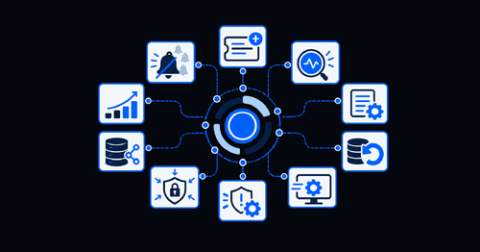
10 AIOps Automation Use Cases Transforming IT Operations

AIOps is often discussed as a broad technology category. That framing can make it difficult for an IT operations leader to connect the concept with the problems consuming the team’s time today. The practical question is simpler: Where does your team repeatedly lose time between detecting an issue and resolving it? Maybe engineers are drowning in alerts.
Building a Self-Service Knowledge Base Employees Want to Use

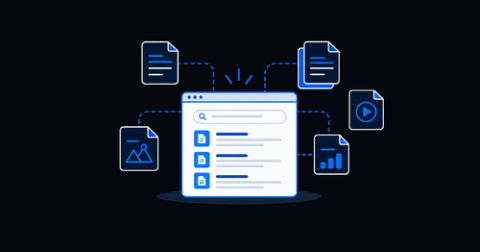
Most organizations already have policy documents, troubleshooting guides, knowledge articles, resolved tickets, runbooks, and internal wikis. They're not starting at zero, but despite that investment, employees continue to open tickets for questions the organization has already answered. The problem is not always a lack of knowledge. More often, employees cannot find the right information quickly enough to trust self-service as their first option.

AI in IT Operations: How to Build Trust, Automate Smarter & Prepare for Autonomous IT

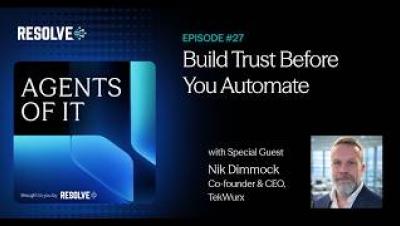
What does it take to make AI and automation actually work in enterprise IT? In this episode of Agents of IT, Resolve’s Zach Austin sits down with Nick Dimmock, Co-Founder and CEO of TechWorks, to discuss how IT automation is evolving, why trusted data matters, and what organizations need to build before AI can deliver meaningful business outcomes.

Best AIOps Automation Tools in 2026: How to Choose

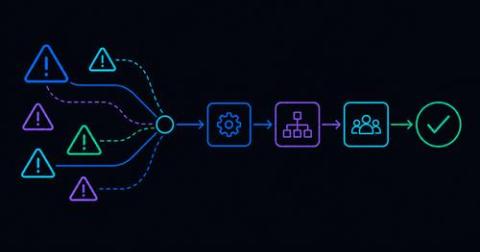
The phrase “AIOps automation” now appears across observability platforms, ITSM suites, orchestration products, runbook tools, and general automation software. The label alone says little about what happens after detection. Some products create a ticket. Some launch a script. Others gather live context, choose an approved response path, execute across several systems, verify recovery, and update the operational record.

AIOps Automation Tools Buyer's Guide

The phrase “AIOps automation” now appears across observability platforms, ITSM suites, orchestration products, runbook tools, and general automation software. The label alone says little about what happens after detection. Some products create a ticket. Some launch a script. Others gather live context, choose an approved response path, execute across several systems, verify recovery, and update the operational record.

How to Build AI Agents That Take Action | Resolve Agent Lab Demo

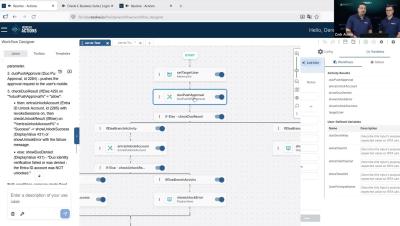
How do you build enterprise AI agents that actually take action? In this live demo, Resolve shows how Agent Lab helps IT and operations teams build, test, and deploy AI agents using natural language. See how teams can turn business requirements into executable workflows, give agents specific skills, establish guardrails, and automate real IT resolutions across enterprise systems.

Incident Management Best Practices for Modern IT Teams

Incident management used to be easier to picture: an alert arrived, a ticket opened, a support team followed a process, and service returned. Today’s incidents move across cloud platforms, SaaS applications, networks, identity services, observability tools, ITSM queues, and engineering teams. The fundamentals still matter, though. Clear process, ownership, communication, and learning matter more when the environment becomes harder to understand. What has changed is how teams execute them.

Incident Management System: What It Is and How to Choose One

An alert fires. A ticket opens. Someone gets paged. Then the real work begins: gathering context, finding the affected service, deciding who owns the issue, running diagnostics, applying a fix, validating recovery, and documenting the result. Many IT teams assume that an incident management system is simply the application that opens and tracks the ticket. That is part of the job, but it’s not the whole operating model.