Operations | Monitoring | ITSM | DevOps | Cloud

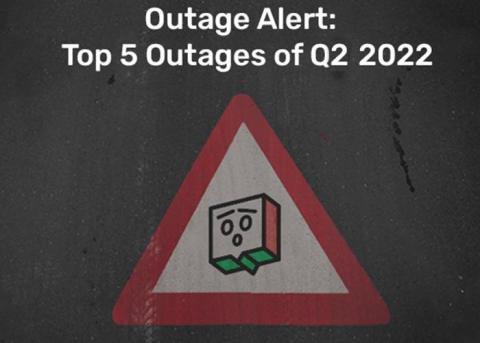
Outage Alert: Top 5 Outages of Q2 2022

We are halfway through 2022 and one thing is certain – downtime is here to stay. In fact, trends are showing the frequency of downtime is increasing, along with the severity and wide-spread impact. Consumers and businesses are more interconnected and reliant on technology and software than ever, from remote business communication to simply listening to your favorite podcast on your way to work.

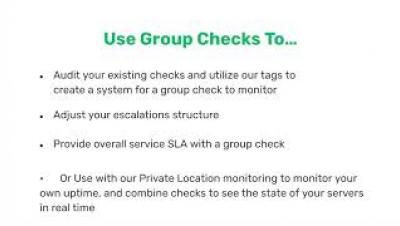
Introducing Group Checks | Customizable Downtime Alerting for Interrelated Checks

Have you struggled to quantify the uptime performance of a complex system? With many interrelated parts, it can be easy to tell which pieces are down, but a tougher challenge to view them in the context of those systems. When you’re responding to a major outage, the data on your system’s uptime is just as critical as its components.

10 Web Monitoring Tips for Redundant Systems

As your team grows, so do the rules and regulations you use to keep things organized. The same is true for systems, which grow in complexity as they grow in size. That complexity is difficult to manage on its own without the natural turnover that occurs in tech. Those who built and managed legacy systems, eventually go on to bigger and brighter things, either within the company or toward other opportunities.

Ease the Transition: 5 Tips for Taking Over your Team's Uptime.com Account

Eleven basic checks and one status page. That’s all you see when looking over the account usage of the Uptime.com account you are now managing for your company. When you logged in for the first time you saw a dashboard with cards and metrics, labeled with titles that don’t obviously connect to services you offer. Your first clicks were to navigate to view the subscription – maybe your plan details can give you some guidance. Does this sound like you?

How Downtime Can Affect Morale, And What You Can Do About It

Does the worst case scenario for your company include alert fatigue from false alarms? Maybe it should. No one likes a false positive when it comes to infrastructure monitoring, and false flags are especially irritating because you have to respond to a problem that doesn’t actually exist. Just how bad are false positives? Let’s break down what these annoying little mistakes add up to for your team. You might be surprised to learn just how much they are hurting your DevOps pipeline.