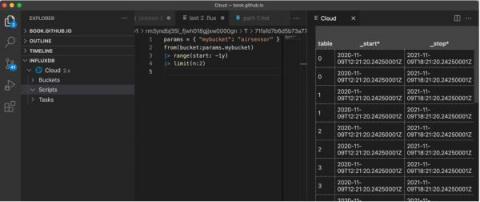
The InfluxDB UI offers a wide variety of features for time series analysis, data lifecycle management, and time series visualization. The InfluxDB UI also shines when it comes to onboarding new users, whether they’re an InfluxDB OSS or free tier InfluxDB Cloud user. The InfluxDB UI allows you to easily leverage Telegraf, a plugin-driven collection agent for collecting, processing, and writing metrics and events.
Relational databases are by far the most common type of database, and as software developers it’s safe to say that they are the kind of database most of us got started on, and probably still use on a regular basis. And one thing that they all have in common is the way they structure data. InfluxDB, however, structures data a little bit differently.
At ElasticON Global 2021, we shared a future view of Elastic Enterprise Search and how we’re continuing to build next-generation, machine learning-powered search experiences backed by the speed, scale, and relevance of Elasticsearch. We also highlighted the many ways we plan to keep building even more flexibility into our solutions.
In the first four parts of our series on correlation analysis, we discussed the importance of this capability in root cause analysis in a number of business use cases, and then specifically in the context of promotional marketing, telco and algorithmic trading. In this blog we walk through how to leverage correlation analysis to address the challenges in ensuring a seamless online payment experience by the end-user.