A few days ago, our team released Calico v3.16. As part of that release, we have marked the eBPF dataplane as “GA”, signalling that it is now stable and ready for wider use by the community. In this blog post I want to take you through the process of moving from tech-preview to GA.
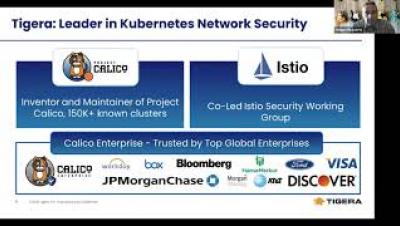
Tigera serves the networking and policy enforcement needs of more than 150,000 Kubernetes clusters across the globe and supports two product lines: open source Calico, and Calico Enterprise. Our development team is constantly running smoke, system, unit, and functional verification tests, as well as all our E2Es for these products. Our CI pipelines form an extremely important aspect of the overall IT infrastructure and enable us to test our products and catch bugs before release.
The old security model, which followed the “trust but verify” method, is broken. That model granted excessive implicit trust that attackers abused, putting the organization at risk from malicious internal actors and allowing unauthorized outsiders wide-reaching access once inside. The new model, Zero Trust networking, presents an approach where the default posture is to deny access.
Compromising a pod in a Kubernetes cluster can have disastrous consequences on resources in an AWS Elastic Kubernetes Service (EKS) account if access to the Instance Metadata service is not explicitly blocked. The Instance Metadata service is an AWS API listening on a link-local IP address. Only accessible from EC2 instances, it enables the retrieval of metadata that is used to configure or manage an instance.