Operations | Monitoring | ITSM | DevOps | Cloud

Feature Release: Obkio Insights: Automatic Network Diagnostics (Beta)

Today, we’re launching Obkio Insights, our biggest feature yet, in beta, and the one we’ve been building toward for 8 years. Insights is launching in beta. That means existing customers can start using automatic network diagnostics today, with more root cause coverage, refinements, and improvements rolling out over the coming months based on real-world feedback. As with any beta, you may run into the occasional bug or rough edge.

Obkio's Status Overview Widget: Know What's Wrong and Where, Instantly

Obkio is making improvements to its network performance monitoring and observability solution, aimed at helping users of every expertise level interpret their data more efficiently. That work isn't just about telling users something is wrong. It's about diagnosing the issue for them. And a big part of that is telling them where the issue is happening, so they know exactly where to direct their troubleshooting effort instead of guessing. The Status Overview widget solves this.

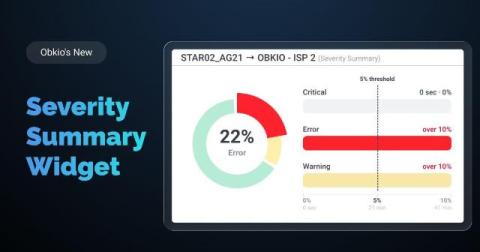
Introducing Obkio's Severity Summary Widget: See Network Events at a Glance

Obkio’s new Severity Summary widget is built to answer one question fast: “How healthy was my network overall, across every session I'm tracking?” Instead of opening session after session to check each one individually, you get a single combined view showing how much time your network spent in each severity level.

Why Your Internet Is Slow: Is It Your Network, ISP, or Your Machine?

Someone on your team says "the Internet is slow." Twenty minutes later, IT finds out the Internet was never the problem. Maybe it was a laptop with a full RAM disk. Maybe it was an ISP outage two towns over that had nothing to do with your office. Misdiagnosing slow Internet wastes time. It sends you down the wrong fix path, like rebooting a router when the real issue is sitting on someone's desktop.

WiFi Monitoring 101: What It Is and Why Remote Teams Need It

For years, IT teams had a fairly contained job: keep the office network running. Every device, router, and switch that mattered was inside a building they controlled. That job doesn't exist anymore. Remote and hybrid work moved the "network" into hundreds of living rooms, home offices, and coffee shops, none of which IT can see, configure, or troubleshoot directly. So when a help desk ticket comes in saying "the app is slow" or "my calls keep dropping," IT is left guessing. Is it the company's network?

How to Monitor Internet Uptime

Your ISP tells you your connection is up 99.9% of the time. Your users tell you the MS Teams video calls keep freezing. Both can be true at once, and that gap is exactly why you need to monitor Internet uptime yourself instead of taking your provider's word for it. This article covers what Internet uptime actually means, how to calculate it, what a good internet uptime SLA looks like, and how to monitor internet uptime with your own data so you're not stuck relying on your ISP's version of events.

8 VoIP Quality Metrics: What They Are and How to Measure Them

A dropped call costs more than the interruption itself. It means a missed deal, a frustrated customer, or a support ticket that shouldn't exist. When VoIP quality slips, the usual first sign is vague: calls "sound bad" or "keep cutting out," with no clear starting point for troubleshooting. That vagueness is avoidable. VoIP call quality isn't subjective at the network level.

Firewall High Memory Usage: How to Troubleshoot and Fix It

A firewall running low on memory rarely fails all at once. It degrades first. Connections drop intermittently, policies take longer to process, and by the time the device becomes unresponsive, the problem has been building for days or weeks. This article walks through what firewall memory usage actually means, what causes it to climb, how to spot the symptoms early, and how to troubleshoot and fix it before it takes your network down with it.

Introducing Obkio's Network Quality Widget: See Network Health at a Glance

We've been making a series of improvements across Obkio’s Network Monitoring and Observability application, and a lot of that work has been focused on one goal: simplifying not just how we show network performance data, but how easy it is to actually interpret and understand that data. Not everyone monitoring a network has the time, or the networking background, to dig through graphs line by line to figure out what's going on.

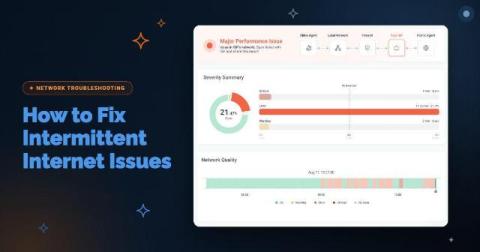
How to Troubleshoot Intermittent Network Connectivity Issues

A full outage is the easy version of this job. Something goes down, someone notices immediately, you fix it, and you move on. Everyone understands that problem, including the users complaining about it. Intermittent network connectivity issues are a different animal. Your network connection works, then it doesn't, then it does again, all on its own, usually before you've had a chance to open a single tool. By the time you sit down to look, the network is behaving perfectly.