Operations | Monitoring | ITSM | DevOps | Cloud

Cortex | See every engineering scorecard in one view with All Scorecards

Engineering orgs track AI maturity, production readiness, incident preparedness, and a dozen other standards. Each one usually lives in its own scorecard, which makes it hard to see where the org is actually stuck. For this Feature Friday, our Principal Product Manager Christine Byun walks through the new All Scorecards report, now in private beta. In this demo: Birdseye showed you one standard in detail. All Scorecards zooms out so you can see the whole engineering org at once.

Using Cortex AI Assistant to Clean Flags

Every team ships feature flags. Nobody owns the cleanup. The result is predictable: ownership gaps, environmental drift, complex targeting nobody remembers writing. In this Feature Friday, Cortex VP of Product Kara Gillis walks through how she triaged nearly 100 of our own LaunchDarkly flags using the Cortex AI Assistant in Slack. The Assistant queried our internal Feature Flag Scorecard and returned.

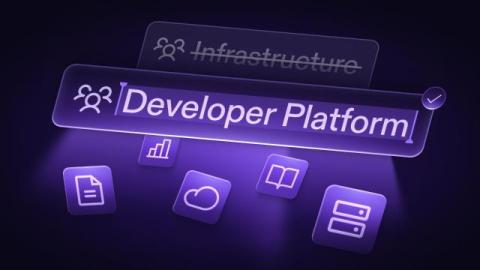
Your platform team's name is holding it back

When you stood up your platform team, you probably spent more time on the org chart than on what to name it. Reporting lines, headcount, scope of the first charter, those felt like the real decisions. The name was administrative. Something to put in Slack and the directory and forget about. That was the most consequential decision you made. The name you give a platform team isn't just branding. It's a scope declaration.

Building a dev platform like a product: Inside The New York Times with Sneha Rao and Ahmed Bebars

Cortex co-founder and CTO Ganesh Datta sits down with Sneha Rao, VP of Product, and Ahmed Bebars, Principal Engineer, both from The New York Times Developer Platforms team, to discuss what it means to build and operate a developer platform at scale across a complex media organization.

Context Engineering: How to Manage AI Context at Scale

Context engineering is the practice of managing the information an AI model sees (documents, tool outputs, memory, and structured metadata about the systems it reasons over) so it can make accurate decisions inside a real engineering organization. Most engineering teams have access to the same AI coding agents: Claude, GPT, Gemini, the major variants everyone is shipping. The model is no longer the differentiator.

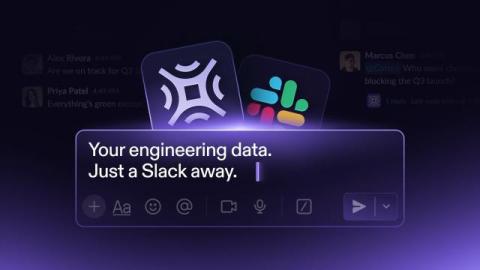
Ask Cortex anything, right from Slack

The Monday morning thread. Someone asks who owns checkout-service. Someone else asks what changed in the Production Readiness Scorecard last week. A third person wants to know if the Kubernetes migration is blocking the launch next Thursday. The answers exist. They live in Cortex. But getting them into the thread means someone stops what they're doing, opens a tab, finds the data, and pastes it back. By the time they do, the conversation has moved on.

Introducing the Cortex AI Assistant (now in Slack)!

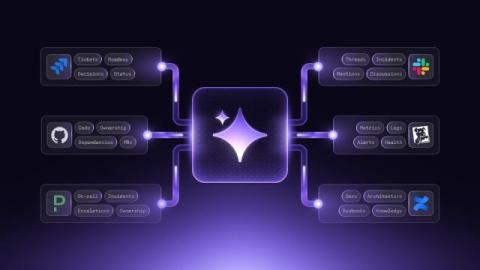
Mention @Cortex in any Slack channel the Assistant has been invited to, public or private, and get grounded answers pulled from your Cortex data. Questions can be as simple as "who owns payments-api?" or as analytical as "what's driving our incident trends this quarter?" The Assistant pulls context from all across Cortex, including ownership, Scorecards, Initiatives, on-call, dependencies, and Eng Intelligence metrics, and holds context across a threaded conversation.

The job is not to write code. It's to produce business value.

Most engineers can tell you exactly how many PRs they merged last quarter. Far fewer can tell you what any of it did for the business. The best engineering leaders can. They draw a straight line from their team's work to ARR: which reliability investment protected revenue, which migration unblocked a strategic customer, which operational improvement reduced churn. They lead with outcomes, not story points.

Rootly's Dan Sadler: why AI coding tools are driving more incidents + why reliability is the product

Cortex co-founder and CTO Ganesh Datta sits down with Dan Sadler, VP of Engineering at Rootly. Dan explains how Rootly treats reliability as a product feature rather than just a technical metric, and why culture might be the most impactful element of building reliable systems.