Operations | Monitoring | ITSM | DevOps | Cloud

How to Conduct A DevOps Maturity Assessment: Complete Guide

A DevOps Self-Assessment provides 15 questions about your DevOps processes and practices and ranks the maturity of your DevOps initiative. Achieving better business outcomes hinges on the ability to release software faster and provide responsive support. DevOps maturity assessments play a critical role in this process by helping organizations pinpoint inefficiencies, identify gaps in collaboration, and refine their workflows.
Kosli Joins FINOS to Collaborate on DevOps Controls and Change Compliance in Financial Services

We are thrilled to announce that Kosli has joined the Fintech Open Source Foundation (FINOS), a Linux Foundation organization dedicated to fostering collaboration and innovation in financial services technology. Our goal is to engage the community establishing common standards and automation practices for DevOps controls and change management automation.

Why Observability 2.0 Is Such a Gamechanger

One of the hardest parts of my job is to get people to appreciate just how much of a difference Honeycomb/observability 2.0 is compared to their current way of working. It’s not just a small step up or a linear improvement. Rather, it’s an entire step change in the way that you write, deploy, and operate software for your customers.

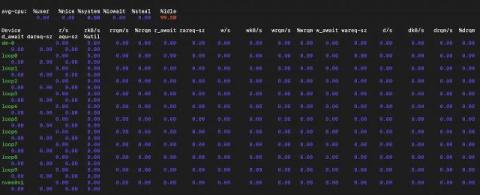
Full Guide to Linux Disk IO Monitoring, Alerting and Tuning

Disk IO (Input/Output) is a core aspect of system performance. Whether you’re managing a database, a web application, or a cloud server, how efficiently your system reads and writes data affects everything from response times to stability. Unlike high CPU usage or memory bottlenecks that often manifest immediately, disk IO issues tend to creep up silently—until they slow down critical processes.

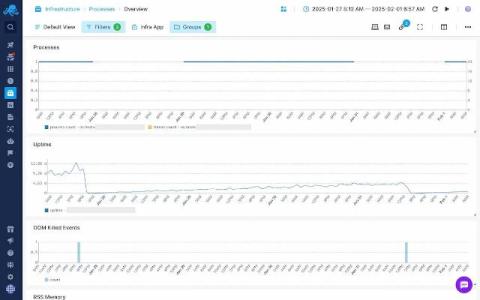
How to Stop Memory Leaks Before they Crash Your Linux System

Imagine you’ve got a leaky faucet in your kitchen. At first, it’s just a drip here and there—annoying, sure, but not enough to ruin your day. But leave it unchecked, and soon that drip turns into a steady trickle. Your water bill skyrockets, the sink overflows, and before you know it, you’re ankle-deep in chaos. Now, replace that faucet with a Linux system, and you’ve got a memory leak.

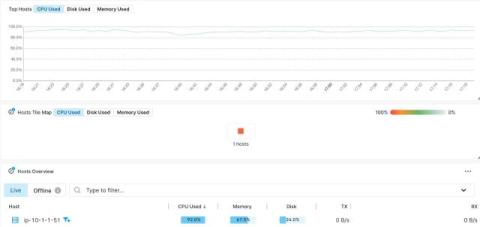
5 Ways to Prevent CPU Overload on Linux Servers

Every server administrator’s nightmare starts with a message: “CPU usage at 100%” It’s that critical moment when your Linux server transforms from a reliable workhorse into a sluggish mess, taking your applications and user experience down. We’ve all been there… staring at a terminal, watching load averages climb, while frantically trying to figure out which process decided to throw a CPU-hungry party on our server.

AppSignal Now Offers Support for Long-Running Streaming Rack Responses in Ruby

We're excited to announce that AppSignal now offers improved monitoring for long-running streaming Rack responses. Our improved Rack response monitoring means you can gain deeper visibility into the health of your Ruby application's long-running responses, allowing you to catch errors that may arise minutes or even hours after a request's body is served. This new layer of observability results from a valuable contribution from Julik Tarkhanov, Director of Engineering at Cheddar Payments.

US Federal Government's Role in Filling the Cybersecurity Talent Gap

Currently, there are 500,000 vacant cybersecurity positions in the United States – affecting businesses and government agencies alike. And with the frequency, sophistication and intensity of cyberattacks increasing, including those directed at federal agencies and critical infrastructure, the need for government and industry to work together to train, retain and develop workers with the required technical expertise and skills has never been greater.