AR Meets DCIM: A New Age in Data Center Management
Hyperview introduces augmented reality for data center operators through free integration with DC Smarter.


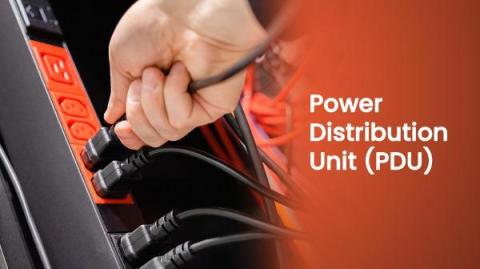
There are two main categories of PDUs: Basic PDUs and Intelligent PDUs. Basic PDUs are simple devices that provide power outlets from an input source, such as a wall socket or a UPS. They do not have any intelligence or monitoring capabilities, and they are usually mounted on racks or cabinets. Basic PDUs are suitable for low-density and low-complexity applications that do not require advanced power management features.
In an exclusive Digitalisation World podcast, our CEO, Jad Jebara, delves deep into the ever-evolving hybrid infrastructure landscape. Join us as we explore how companies are strategically optimizing application performance and the infrastructure that fuels their digital ambitions.
The new law, SB 253, aims to bring more transparency and accountability to the public about how big businesses contribute to climate change. It also hopes to encourage companies to reduce their emissions and align with the state’s ambitious climate goals. By 2030, California plans to lower its greenhouse gas emissions by 40% below what they were in 1990.
A Configuration Management Database (CMDB) like ServiceNow CMDB serves as a centralized repository for comprehensive information about the various components of an information system. These components, known as Configuration Items (CIs), encompass hardware (such as servers and switches), software applications, network paths, and even individuals or documentation.
A data center technician holds the responsibility of installing, maintaining, and monitoring the equipment and systems within a data center. They ensure the proper functioning and updated status of both hardware and software, playing a vital role in safeguarding data security and availability.
Vancouver, BC—September 13, 2023— Hyperview, a leading cloud-based data center infrastructure management (DCIM) platform provider, and Digitalor, a global leader in rack-unit MC-RFID asset tracking, have announced a strategic partnership that offers Hyperview users automated, real-time life cycle management for data centers and hybrid IT environments.
The colocation data center is a type of service where organizations can rent out space in a data center facility to house their IT infrastructure. These facilities provide the power, cooling, and network connectivity that companies require to operate their servers, storage devices, and applications. Colocation services allow companies to reduce costs and avoid the hassle of building and maintaining their data center facilities.
At first glance, this may appear counterintuitive. After all, aren’t public clouds lauded for their scalability, flexibility, and cost-efficiency? However, a closer examination reveals a more nuanced reality. This article delves into the driving forces behind cloud repatriation, helping you determine whether it might be the right fit for your organization.