Operations | Monitoring | ITSM | DevOps | Cloud

The MSP's DNS Security Checklist

DNS is one of the most important and most overlooked layers in your client’s infrastructure. As an MSP, you’re often the one who gets blamed when something breaks—whether you control the DNS or not. And while many DNS problems are silent, their consequences are loud: email failures, website outages, and frustrated clients. This DNS security checklist will help you proactively identify and fix DNS risks across all your client domains.
How MSPs Can Offer DNS Monitoring as an Add-On Service

Most MSPs don’t advertise DNS monitoring as a service—but they should. Why? Because when DNS goes wrong, your client won’t blame their registrar or email provider. They’ll blame you. And the worst part? You probably didn’t know anything had changed until the problem reached your inbox.

DNS Misconfigurations MSPs Can't Ignore

When something goes wrong in a client’s infrastructure, MSPs are expected to fix it—fast. But there’s one area most teams still overlook, and it’s often the first point of failure: DNS. Misconfigured DNS doesn’t always break things immediately. It’s subtle. It lingers. And when it finally causes an outage, broken email, or a security issue, it’s often too late. Here are the DNS misconfigurations MSPs can’t afford to ignore—and what to do about them.

Why MSPs Can't Afford to Ignore DNS Monitoring

Most MSPs don’t think much about DNS—until something breaks. A record is deleted, an MX entry is misconfigured, or a zone is out of sync. Suddenly, your client’s email is bouncing, their site is down, and your phone is ringing. The problem? DNS issues are easy to miss. They don’t always trigger alerts, logs, or tickets. But when they surface, you’re the one your client calls first.

Mastercard's DNS Misconfiguration: Lessons Learned and How DNS Spy Can Help

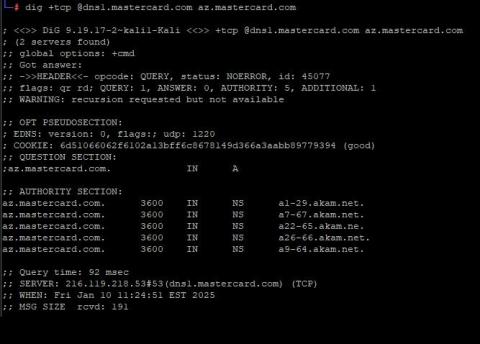
In January 2025, security researchers uncovered a critical DNS misconfiguration involving Mastercard. For nearly five years, one of Mastercard’s DNS records pointed to the incorrect domain "akam.ne" instead of the intended "akam.net." This error, caused by a simple typographical mistake, created a vulnerability that could have allowed malicious actors to intercept or redirect traffic.