
Operations | Monitoring | ITSM | DevOps | Cloud

Three Steps To Get Started With Database DevOps

Once you’ve committed to changing your culture in order to automate your database deployments, what’s next? You’ve already done the hard part, making the decision to shift the culture. Now, what’s involved is just lots of labor. There are three things you can do to begin your Database DevOps journey: Let’s discus these in detail. It’s important to understand, not just why these are your first three steps, but why they should occur in this precise order.

What's the state of Database DevOps in 2021?

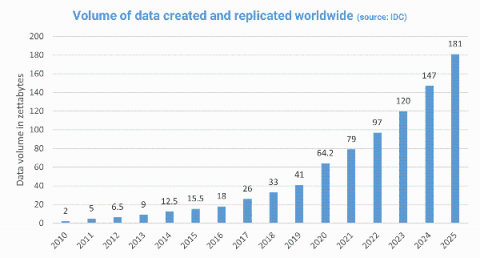
In 2017, Redgate published the first State of Database DevOps report, based on a survey of IT and database professionals from around the world. Every year since then, it has provided insights into the adoption, usage, challenges and benefits of DevOps and database DevOps. We’ve just launched the fifth edition of the report, which has had over 8,000 responses to date.

Why to Use Git Instead of "TFS" (TFVC)

One question we frequently hear from customers using the Microsoft stack is, “should I use Git or TFS?” The question requires a little decoding due to the way that Microsoft has shifted their brands over time. Here’s some background. Many people still refer to this as “TFS,” regardless of the version they are using. TFVC used to be the default type of repo for TFS projects.

SQL Server deployments: Which Redgate tools should you use?

Since 1999, we’ve been developing tools at Redgate to support database deployments for SQL Server. In the past couple of years, we’ve increased our effort in this space by further developing our proprietary technologies based on SQL Compare, and acquiring others like Flyway, the most popular database migration engine. As a result, we now offer tools which provide more options for SQL Server and also support deployments for 20 different database systems.

Architecting Database Dev and Test Environments: Best Practices and Anti-Patterns for SQL Server

Many organizations use out-of-date architecture patterns for developing relational databases which are a pain to manage, slow developers down, and limit testing and innovation. It’s time to modernize these environments and improve standards for database development. In the years I worked as a consultant specializing in SQL Server administration and tuning, I frequently fielded questions from customers about how to best manage databases in development and test environments.

A quick guide to reputational risk

When it comes to reputational risk, a reactive approach is generally taken by organizations, with efforts focused on handling threats to their business they are already aware of. As much as this enables short term damage limitation, it may not be enough to manage and protect your risk in the long term. Instead, a more proactive approach is key to success.

Using the SQL Change Automation PowerShell cmdlets with Jenkins

In this video you’ll get an overview of how Redgate’s SQL Change Automation PowerShell module can plug into Jenkins using pipeline-as-code to build and deploy your SQL Server Databases. For more information, feel free to email in, leave a comment below or visit the Redgate website!

Securing SQL Server with DoD STIGs

Making sure your SQL Servers are secured against malicious users is difficult. How can you know that you’ve done enough? How do you know you’re protected from the things that actually worry you? The United States Defense Information Systems Agency (DISA) publishes a set of guidelines for organizations securing different pieces of software that connect to the US Department of Defense’s networks (DoD).