Operations | Monitoring | ITSM | DevOps | Cloud

Cortex Scorecards + DRIVE: measure engineering org health, not just output

Most engineering metrics track individual output. DRIVE measures the health of the system as a whole. In this Feature Friday, Director of Customer Education and Delivery Taylor Schmidt walks through Cortex's DRIVE scorecard and dashboard, a framework covering five pillars: delivery, reliability, initiatives, vigilance, and efficiency.

DORA measures delivery. DRIVE measures the organization behind it.

You can hit every DORA target and still be losing ground. Deploy frequency up, lead time down, change failure rate and MTTR both healthy, but underneath it could be hiding an organization slowly getting worse at turning work into reliable software. New services shipping without clear owners, an attack surface widening faster than anyone is tracking, on-call rotations quietly filling up, a migration that was supposed to close last quarter still limping along.

Cortex Scorecards + GitHub Rule Sets: Branch Protection at Scale

Stop guessing whether your repos meet your branch policies. Start knowing. In this Feature Friday, Senior Engineering Manager Gabriel walks through Cortex's new native support for GitHub branch rule sets and how to use them in scorecards to enforce consistent policies across all your repos. What you'll see: Questions? Reach out to your CSM or drop a comment below.

Cortex catalog data now flows into Rootly

Incident response is a context problem. The first minutes of any incident are spent reconstructing what the affected service is, what it depends on, and who owns it. That reconstruction happens during the worst possible window. The Cortex catalog already holds this data: services, teams, domains, and the relationships between them, maintained by the engineers who run those systems.

What is an AI software factory?

Ask a software engineer what they do and the answer, for years, has been some version of "I write code." That assumption is unwinding fast. AI agents can now write code, review pull requests, run tests, and ship to production, and they're taking on a fast-growing share of that work. As agents absorb more of the execution, the human role shifts.

How to run an operational excellence review for software engineering

Most engineering organizations already run something they call an operational review. It usually looks like a cousin of the quarterly business review: a deck assembled every few months, walked through team by team, anchored on whatever incidents happened to land in the previous quarter. By the time leadership sees the data, the systems it describes have moved on and the next set of risks is already accumulating in the gap.

Operational excellence (OpEx) reviews: the weekly meeting that actually changes behavior

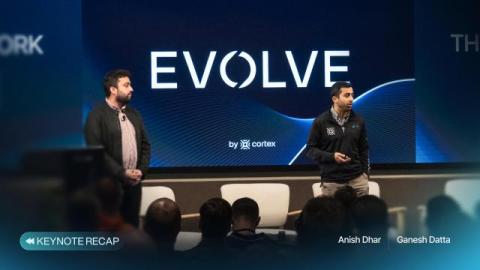
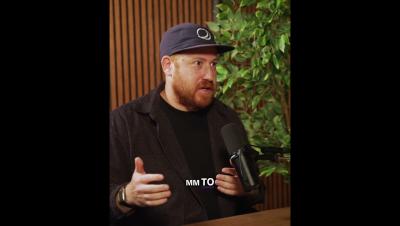
Cortex co-founder and CTO Ganesh Datta sits down with Shawn Burke, Distinguished Engineer at Cortex, to explore what separates an operational excellence review that drives real engineering behavior from one that produces great conversation and nothing else. Shawn draws on experience from SoFi, Uber, and Microsoft to explain why these reviews so often fail—and how to build a process that actually sticks.