
Operations | Monitoring | ITSM | DevOps | Cloud

Who Changed This? Why Audit Trails Matter

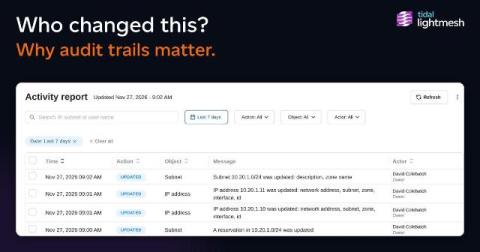
A security alert points to an unfamiliar IP address. You open the network record, but the current state does not explain how the address got there, or who changed it. During an investigation, the current state is not enough. You need to know what changed, when it changed, and who made the change. That is the security value of an IPAM audit trail. It gives you a timeline without forcing you to rebuild one from tickets, chat, and scripts. You start with the network record itself.
The IT Carve-Out Problem: The Deal Can Close Before the Technology Can Separate

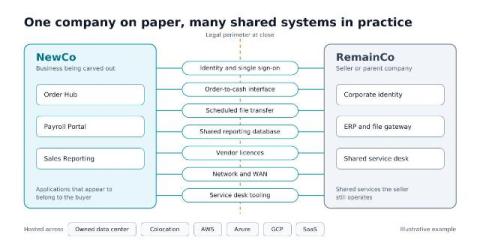
In a divestiture, an IT carve-out is the work of separating the sold business’s applications, data, infrastructure and IT services from its parent so it can run on its own. It is the reverse of buy-side integration, where two estates are combined, although many deals involve both. Take a hypothetical order processing application called Order Hub. It belongs to the business being sold, which we will call NewCo. Its users sign in through the parent company’s identity platform.

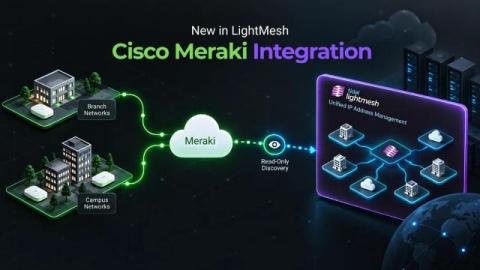
New in LightMesh: Cisco Meraki Integration

Some features start on a roadmap. Others start with a recurring customer request: Can LightMesh connect to Meraki? That request kept coming up. Now the answer is yes. LightMesh supports Meraki sites with multiple VLANs or a single LAN through the new cloud integration for Cisco Meraki. Appliance addressing from Dashboard syncs into LightMesh as subnets (with VLAN ID when Meraki provides one), and device or client LAN IPs only when they fall inside those CIDRs.

DHCP tells you what was leased. It does not tell you what is answering.

Your DHCP server knows which addresses it assigned. It does not know which of those addresses are answering on the wire right now. That gap shows up in every hybrid network where static devices, reservations, and stale leases sit beside active workloads. Leased and live are different questions. DHCP scopes answer the first. Subnet ping-sweep answers the second. Together they give IPAM fresher last-seen context without handing an NMS credentials across the network.

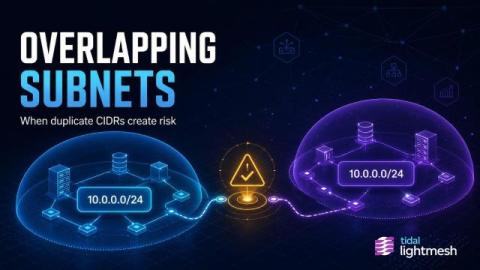
Overlapping Subnets: When Duplicate CIDRs Create Risk

An overlapping subnet can sit quietly for years - until two networks need to connect. A duplicate CIDR (Classless Inter-Domain Routing), an IP address range such as 10.0.0.0/24, may cause you no immediate trouble while networks remain isolated. During an expansion, acquisition, or cloud migration, however, that same overlap can become a connectivity blocker. Cloud peering is one place where the issue becomes unavoidable.

The Architecture Question That Never Dies: From BPMN and M&A to MCP

Twenty years ago at RMIT, I became preoccupied with a question that sounded technical but was really about corporate value: could you predict how difficult a company would be to acquire by looking at the shape of its APIs? It was 2006. I was completing Honours in a Bachelor of Applied Science in Software Engineering, and the brief for my research project was unusually open: find an impactful software research hypothesis that hasn’t been done before.

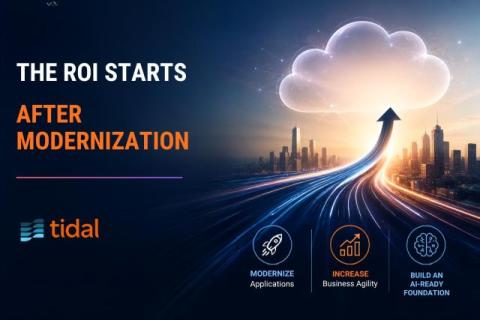
The True ROI of Cloud Migration: Modernization, and AI Unlock

For years, the cloud migration business case was framed around one comparison: “Will AWS be cheaper than our data center?” That question still matters, but it is no longer where the value is. The 2017-2024 wave of mass migration is largely complete. Most enterprise workloads are already in the cloud - often in a lift-and-shift state: oversized instances, commercial-OS BYOL, on-prem-shaped network designs, and legacy frameworks that block the next step.

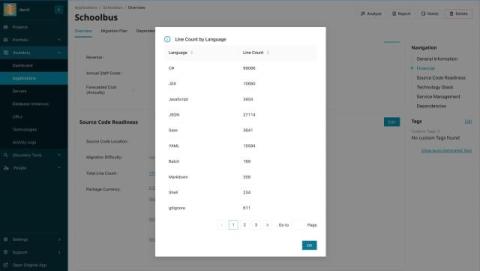
Code-Level Migration Assessment for AWS

Infrastructure assessment tools scan your servers and estimate migration cost based on CPU, memory, and storage. They do not read your application code. Applications that appear migration-ready at the infrastructure layer may contain thousands of lines of code that block cloud adoption. Without code-level visibility, teams cannot make accurate 6R decisions.

Build Custom Field Templates for Application Assessments

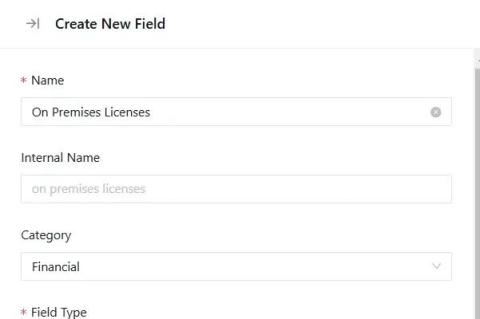
Modernization assessments move faster when the structure is already in place. Instead of recreating custom fields, interview questions, and assessment workflows for every customer, you can use a custom field template to standardize how data is collected from the start. This guide shows you how to create a reusable Tidal Accelerator custom field template using Node.js and the Tidal API, so your assessments are easier to repeat, compare, and scale. So you’re starting a modernization practice.

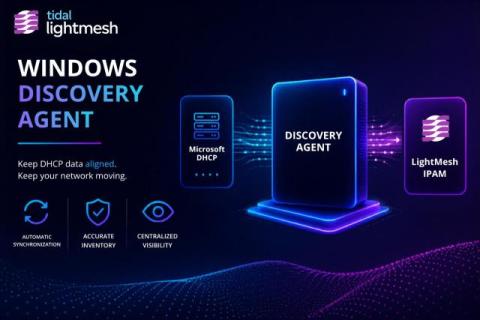
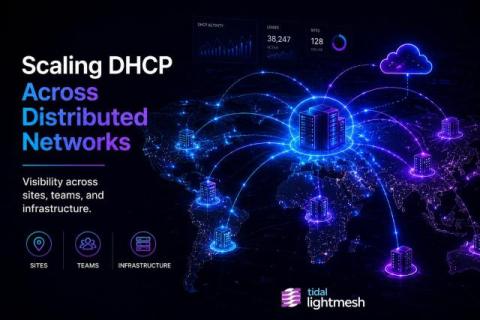
Managing DHCP Across Distributed Networks

Managing DHCP across distributed networks gets messy fast. Lease activity changes constantly. Naming conventions drift. Infrastructure changes happen independently across locations. Before long, your team no longer has a complete view of what’s happening across the network. What started as a straightforward service becomes a records problem with real operational consequences.