How to scale your business | What to do and what not to do
CircleCI CTO Rob Zuber explains one of the keys to scale your business that may expect.


The latest News and Information on Continuous Integration and Development, and related technologies.
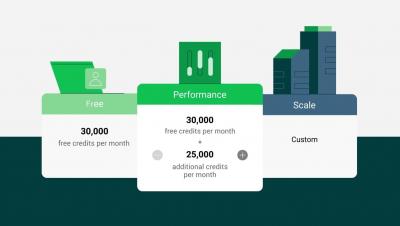
To learn more about pricing plans and credits visit: https://circleci.com/pricing/
Learn more about how Bolt helps engineers own and optimize build pipelines with CircleCI: https://circleci.com/case-studies/bolt/
Performance testing measures how well systems perform when subjected to various workloads. The key qualities being tested are stability and responsiveness. Performance testing shows the robustness and reliability of systems in general, along with the specific potential breaking points. In this tutorial, you will use k6 to do load testing on a simple API hosted on the Heroku platform. Then you will learn how to interpret the results obtained from the tests.