Using Gradle build scans in Android projects
A build scan is a shareable and centralized record of an Android build that provides insights into what happened and why.


A build scan is a shareable and centralized record of an Android build that provides insights into what happened and why.
If you are looking for an Infrastructure as Code (IaC) tool, Terraform probably tops your list. In this tutorial, you will learn how to automate the deployment of changes to your infrastructure using Terraform and CircleCI workflows. The workflows will use Approval Jobs. For this project, we will deploy the infrastructure we build to Google Cloud Platform (GCP).
TL;DR: This year’s State of DevOps Report is the 10th anniversary edition of this annual research on how practitioners are making DevOps work for them. Whether you’re a big time CircleCI user or are just beginning your career, we want to hear from you. Please take the survey so your voice is represented in the 2021 State of DevOps.
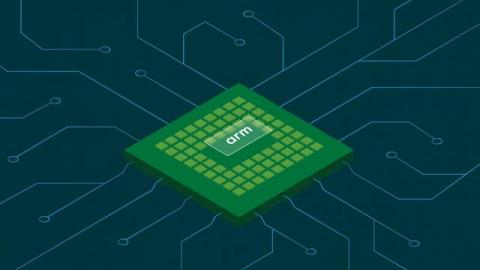
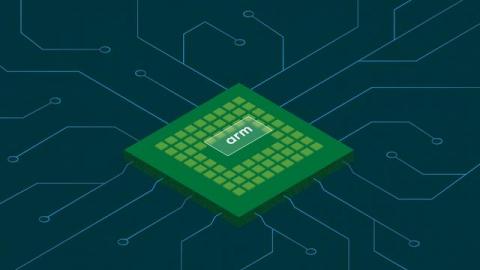
CircleCI has released new Arm-based compute in preview. Arm processors and architectures are becoming widely available as development teams adopt them as compute nodes in many application infrastructures. Organizations that need to run microservices, application servers, databases, and other workloads in a cost-effective way will continue to turn to the Arm architecture.
Apache Cordova, since its release in 2009, has created a paradigm shift for mobile application development. Before Cordova, only developers who knew platform dedicated languages for a particular type of mobile operating system could develop native mobile applications. There was Objective-C for developing iOS apps, or Java for Android apps and platforms like Blackberry. Windows Phone also had languages dedicated to building their mobile applications.
March 1, 2020, was a Sunday. I was getting ready for a work trip to San Francisco. Just before heading to the Berlin airport, I checked my phone. There was a text from my boss: Hey Lena, trying all channels. Don’t fly. I didn’t fly that day and I haven’t flown since. Two days later, as planned, I went from interim to permanent VP of Product Engineering at CircleCI. At the same time, Europe was going into lockdown, then the world went into lockdown.
With the new Contexts API release, developers can save their team valuable time while enhancing security practices. We know maintaining your organization’s security is crucial. There is the need to meet strict compliance guidelines, such as FedRAMP and GDPR, and what seems to be an increasing number of breaches, like the compromise of over 150,000 video security cameras as a result of a targeted Jenkins server.
Server 3.x, which is now available to all CircleCI customers, was designed to meet the strictest security, compliance, and regulatory restraints. This self-hosted solution can scale under heavy workloads, all within your team’s Kubernetes cluster on your private network, but with the dynamically scaling cloud experience of CircleCI. Offering an exceptional on-premise service means keeping that service up-to-date with the latest releases.