This quarter, we added more integrations to StatusHub, launched new platform features, and continued improving our Status API. Here’s what’s new for Q2 2026.
In Q1 2026, we introduced a new SolarWinds Observability integration, started preparing the upcoming Status API for release, and spent time learning directly from MSPs at CloudFest 2026 about the operational challenges shaping modern incident communication.
At the start of 2026, we’re sharing our final quarterly product update for 2025, followed by a recap of the year’s most important StatusHub improvements.
We closed Q3 2025 with several important updates designed to make StatusHub even more reliable, flexible, and transparent for teams managing IT outage communication. Let’s take a closer look at what’s new.
Watch a demo recorded during EDUCAUSE Demo Day: E25 Emerging Tech Preview. And learn how higher-ed institutions can improve incident communication, reduce support tickets, and deliver faster, clearer updates with StatusHub.
In Q1, we introduced API v3 as an upcoming release. In Q2, while the full release is still in progress, parts of the new StatusHub API V3 are available and ready for use. We are also highlighting a small but useful improvement: embedded analytics dashboards in the control panel can now be restricted to owners only.
Following the first quarter of 2025, we’re sharing our latest StatusHub product updates in a slightly different format from our usual one. This time, we’re sharing two major updates — enhanced mobile user experience for the Control Panel and a pre-announcement of our completely redesigned API V3 — and several improvements across the platform.
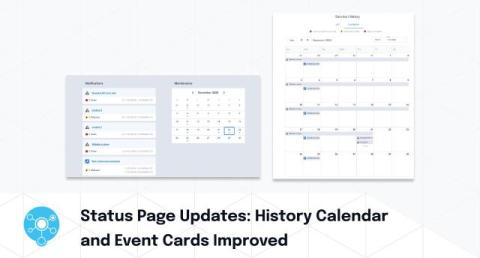
In this update, we’re excited to introduce the latest improvements and new features for the status page. From enhanced navigation to a refreshed design for the Service History Calendar and Event Cards, these changes are designed to provide a smoother and more efficient experience.
At StatusHub, we know that security and trust are essential when it comes to your data. That’s why we are pleased to share that we are SOC 2 compliant.
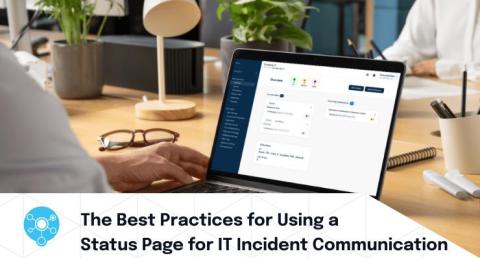
Learn the best practices for IT incident communication via status pages, covering key aspects such as Defining incidents, Preparing communication plans, and Using various communication channels.