Operations | Monitoring | ITSM | DevOps | Cloud

The latest News and Information on Log Management, Log Analytics and related technologies.

Grok Pattern Examples for Log Parsing

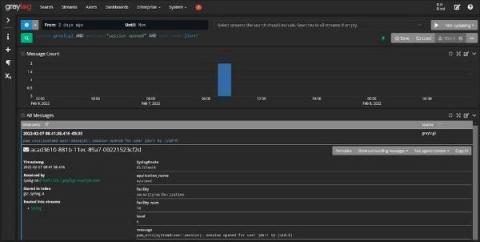
Searching and visualizing logs is next to impossible without log parsing, an underappreciated skill loggers need to read their data. Parsing structures your incoming (unstructured) logs so that there are clear fields and values that the user can search against during investigations, or when setting up dashboards. The most popular log parsing language is Grok. You can use Grok plugins to parse log data in all kinds of log management and analysis tools, including the ELK Stack and Logz.io.

The Best Open Source Logging Tools

Users of open-source log collectors and log monitoring solutions often preferred these solutions due to them being well suited for speed, flexibility and their ability to attract talented contributors who are willing to invest time to maintain technology projects they are passionate about. In this post, we’ll look at some of the best free and open-source logging tools out there today.

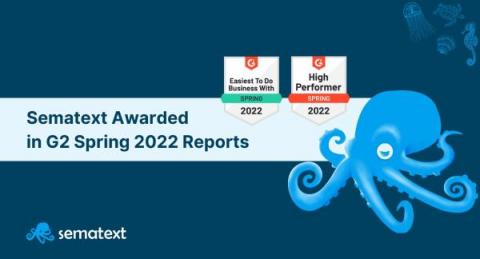
G2 awards Sematext as high performer in Spring 2022 Reports

At Sematext, we are dedicated to making troubleshooting easier for ops teams. When we started to receive positive reviews from our customers around the globe, we knew we were doing something right. Even as our userbase grew across multiple industries, we continued to get positive feedback. We even received a few awards along the way. In this post, we’re delighted to announce that Sematext Cloud is featured in the G2 Spring 2022 Reports under Monitoring Software Solutions category as.

CIS Control Compliance and Centralized Log Management

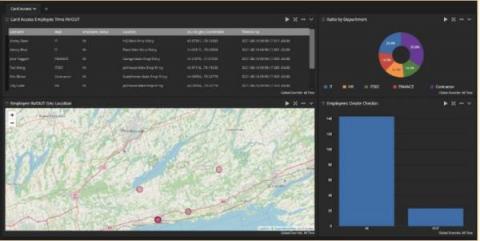
Your senior leadership started stressing out about data breaches. It’s not that they haven’t worried before, but they’ve also started looking at the rising tide of data breach awareness. Specifically, they’re starting to see more new security and privacy laws passed at the state and federal levels. Now, you’ve been tasked with the very unenviable job of choosing a compliance framework, and you’re looking at the Center for Internet Security (CIS) Controls.

Building An Agent From First Principles

Yesterday, we officially announced Cribl Edge, a next-generation observability agent. You can find more about its features here. In this post, I am going to walk you through the journey of incepting and building this new product. Our most important core value at Cribl is “Customers First, Always.” and that involves actively listening and being on the lookout for any pains our customers might be experiencing.

DevOps State of Mind Ep. 9: Recruiting for a DevOps Culture

Liesse Jones: Today we're joined by Anna-Marie Gutierrez-Lee, affectionately known as AMG, who's the Director of Talent Acquisition at LogDNA. She's passionate about mentoring recruiting teams and connecting talent to their dream careers, while fostering a genuine and positive candidate experience. Today, we're going to talk about how to recruit for a DevOps culture and why it's so important to bring more underrepresented talent into tech.

Centralized Log Management and NIST Cybersecurity Framework

It was just another day in paradise. Well, it was as close to paradise as working in IT can be. Then, your boss read about another data breach and started asking questions about how well you’re managing security. Unfortunately, while you know you’re doing the day-to-day work, your documentation has fallen by the wayside. As much as people are loathed to admit it, this is where compliance can help.

More Choice, Less Compromise: We're Taking You to the Edge!

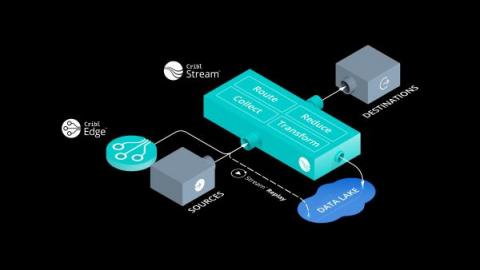
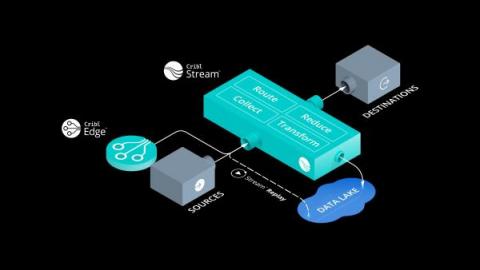
It’s been a busy Winter at Cribl! Today we are officially announcing Cribl Edge, a next-generation agent that expands the scope of observability. In Edge, we’ve taken the very concept of “agent” and given it a Cribl power-up by taking our best-in-class observability pipeline technology built into Cribl Stream and moving it all the way out to edge systems.

Announcing Cribl Edge & Cribl Stream

In 2022, administrators are still managing agents which collect data for observability and security the same way they did 15 years ago: typing in configuration files by hand. A lot has changed since 2006 when Amazon announced AWS. Instead of racking and stacking servers in data centers, we’re spinning up compute resources in a variety of forms – at the click of a button, or automatically through APIs.