The latest News and Information on Observabilty for complex systems and related technologies.
Observability is a critical step for digital transformation and cloud journeys. Any enterprise building applications and delivering them to customers is on the hook to keep those applications running smoothly to ensure seamless digital experiences. To gain visibility into a system’s health and performance, there is no real alternative to observability. The stakes are high for getting observability right — poor digital experiences can damage reputations and prevent revenue generation.
It’s been a minute since our last Feature Focus, and we have a bit of catching up to do! I’m happy to report we’ll resume monthly updates next month, but until then, please enjoy this super-sized winter digest of what we’ve been up to at Honeycomb.
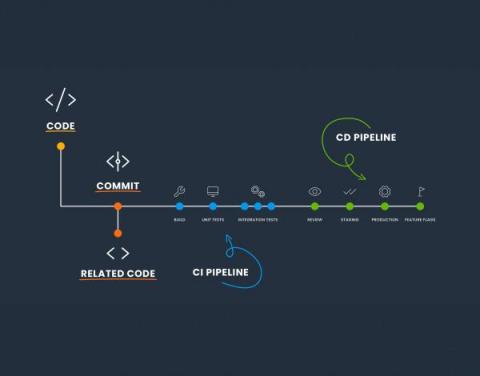
I'm no stranger to ranting about deploys. But there's one thing I haven't sufficiently ranted about yet, which is this: Deploying software is a terrible, horrible, no good, very bad way to go about the process of changing user-facing code. It sucks even if you have excellent, fast, fully automated deploys (which most of you do not). Relying on deploys to change user experience is a problem because it fundamentally confuses and scrambles up two very different actions: Deploys and releases.
When you’re just getting started with observability, a proof of concept (POC) can be exactly what you need to see the positive impact of this shift right away. Coveo, an intelligent search platform that uses AI to personalize customer interactions, used a successful POC to jumpstart its Honeycomb observability journey—which has grown to include 10,000+ machine learning models in production at any one time. Wondering how Coveo got there? So were we.
Observability is coming into its own, as SREs and DevOps practitioners increasingly seek to centralize the sprawl of tools and data sources to better manage their workloads and respond to incidents faster — and to save time and money in the process. That was the overarching message from more than 250 observability practitioners who took part in the Grafana Labs’ first ever Observability Survey.