Operations | Monitoring | ITSM | DevOps | Cloud

DNS Misconfigurations MSPs Can't Ignore

When something goes wrong in a client’s infrastructure, MSPs are expected to fix it—fast. But there’s one area most teams still overlook, and it’s often the first point of failure: DNS. Misconfigured DNS doesn’t always break things immediately. It’s subtle. It lingers. And when it finally causes an outage, broken email, or a security issue, it’s often too late. Here are the DNS misconfigurations MSPs can’t afford to ignore—and what to do about them.

Why MSPs Can't Afford to Ignore DNS Monitoring

Most MSPs don’t think much about DNS—until something breaks. A record is deleted, an MX entry is misconfigured, or a zone is out of sync. Suddenly, your client’s email is bouncing, their site is down, and your phone is ringing. The problem? DNS issues are easy to miss. They don’t always trigger alerts, logs, or tickets. But when they surface, you’re the one your client calls first.

Introducing DNS Monitoring - Stay Ahead of DNS Issues Before They Impact You

We’re excited to announce a powerful new addition to your monitoring toolkit: DNS Monitoring is now available on UptimeRobot! DNS (Domain Name System) is a core component of internet functionality. When DNS records are misconfigured, hijacked, or simply expire, they can lead to serious outages, broken email services, or even security risks. That’s why we’ve introduced DNS Monitoring – to help you stay in control of your domain’s health at all times.

No Sandwich, No Security: What This Week's Lunch Taught Me About DNS Blind Spots

Like many shoppers in the UK this week, I found myself staring at half-empty shelves in my local grocery store. In a small but frustrating twist, my usual sandwich, chicken mayo on malted bread, was nowhere to be found. The disruption wasn’t just about lunchtime preferences; it was part of a broader impact from cyberattacks that hit major UK retailers, including Co-op and Marks & Spencer.

Understanding Reverse DNS Lookup

On the information superhighway, an IP address is a series of numbers telling the location of a digital resource, similar to having a street address for a building. However, when all you know is the street address, you have no idea what the building itself looks like. If you’re a visual person, you might insert that address into Google Maps to pull up a picture of the building so you have a marker to help find a drive.

It was DNS Again: Why Your Status Page Needs Its Own Domain

On February 20, 2025, at 16:22 UTC, StatusGator detected an outage affecting Vultr. The issue appeared to stem from a DNS failure, causing vultr.com and any other services hosted on its domain to become inaccessible. But what does that include? The official Vultr status page. Because Vultr hosts its status page on status.vultr.com, the same domain hosting its primary website and dashboard, users were left without an official source of updates during the outage.

Understanding Root Cause: Domain Name Systems (DNS) and Traceroute

You can think about a website the same way you think about your car. Every time something breaks, a professional—an engineer or a mechanic—usually charges a high amount for the fix (isn’t it annoying when you can’t tell if it’s a big or small fix?). Alternatively, you can learn some basics, get a few inexpensive tools, and troubleshoot many of the immediate issues yourself.

Managing External-DNS & cert-manager with Komodor

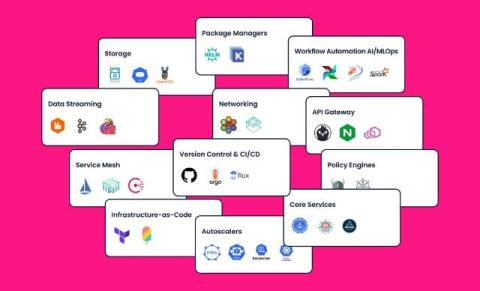
Recently we’ve explored the evolving role of Kubernetes as a full ecosystem, rather than just a platform, diving into the power and complexity of add-ons. These tools, as highlighted previously, are key to augmenting Kubernetes core capabilities, and adding-on (as their name implies) essential capabilities not supported directly by Kubernetes itself.

7 Best DNS Monitoring Tools + How to Monitor DNS Server

DNS is one of the most crucial internet services. It’s the communicator and concierge of online experiences. Everything, from the web content you browse and the email and chat services you use to social platforms like Facebook and Instagram, depends on DNS functioning on a round-the-clock basis. Given its importance, it’s no surprise this fundamental service is targeted by hackers and cyber criminals.