Operations | Monitoring | ITSM | DevOps | Cloud

The Place Where Modern Operations & Technology Come Together


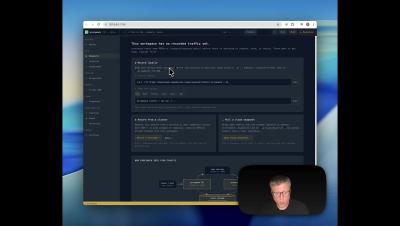
Instant Kubernetes Observability with Proxymock #speedscale #kubernetes #ebpf #devops #cloudnative
Learn how to get instant observability into your Kubernetes cluster by installing the Speedscale operator and proxymock tool. In this step-by-step tutorial, we walk you through setting up the operator to capture live network traffic (including encrypted traffic, API calls, and database calls) without complex instrumentation or manual configuration.
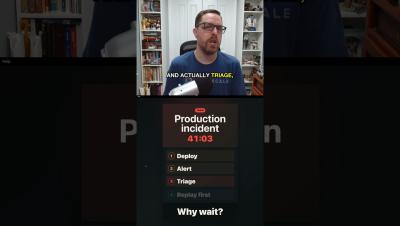
Catch Issues BEFORE Production! #speedscale #vibecoding #devops #sre #softwareengineer
Instead of waiting for an alert to trigger a long, stressful triage and replication process, catch the issue before it reaches production by replaying real traffic against your code first.

AI is Exposing Observability's Dirty Secret
The 3 pillars of observability are breaking. For years, dev teams relied on Logs, Metrics, and Traces to know when something went wrong. But now? AI agents are writing, deploying, and changing code in real-time. When an AI hallucination pushes a bug to production, standard monitoring sees nothing wrong.To survive the AI era, we need a 4th Pillar of Observability. Watch to find out what it is and why the old way of monitoring just became obsolete.
Sponsored Post
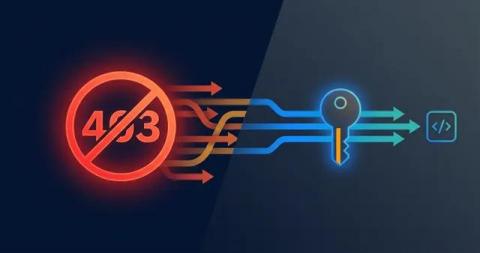
Fixing 403 auth errors when you replay traffic
Trigger warning: this one is about Java, authentication, and Docker Compose files. If that is not your thing, I am sorry, but they are part of life and they are honestly not that hard to work with. Everything here is open source on our GitHub repo, so you can follow along. Recording an authenticated Java flow, replaying it, hitting the dreaded 403, and fixing it with a proxymock recommendation.

AI writes code in seconds, but delivery still takes days
The pitch for AI coding was speed. Claude Code, Copilot, Cursor, whatever you’re running, they all generate business logic faster than you can review it. That part is real. But look at what happens after the code gets written and the numbers get ugly. CircleCI’s 2026 State of Software Delivery Report found AI drove a 59% increase in average throughput.
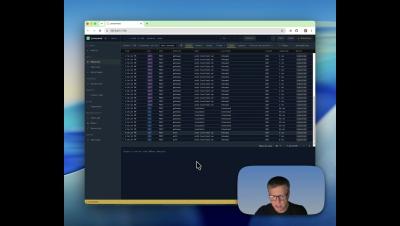
How to Trace Microservices WITHOUT OpenTelemetry
Learn how to trace complex multi-hop transactions across microservices when OpenTelemetry isn't available or trace parents get lost. This quick tutorial demonstrates how to use full-text search in proxymock (a free CLI and UI tool) to isolate user journeys (like looking up a specific username) and instantly generate waterfall tracing views. Whether you are working locally or in a Kubernetes cluster, you can record API traffic, visualize multi-hop requests, and easily transition those captures into load or regression tests.

The Trace Nobody Can Seem to Get #speedscale #softwareengineer #developer #coding #tech
This video explains how to trace a user through older or inaccessible services using identifiable information like emails or usernames when OpenTelemetry traces are unavailable.

Congrats on Your Promotion to QA Engineer #speedscale #coding #vibecoding #softwareengineer #devops
A new Google white paper suggests that as AI writes the majority of our code, the role of a software engineer is shifting from writing applications to performing rigorous validation and QA.

Identify PII in Your Test Data Instantly #speedscale #pii #testdata #dataprivacy #kubernetes
We demonstrate how to stream realistic test data directly from a production environment to developers and AI models without exposing any personally identifiable information (PII).