Operations | Monitoring | ITSM | DevOps | Cloud

New: Push notification alerts via Pushover

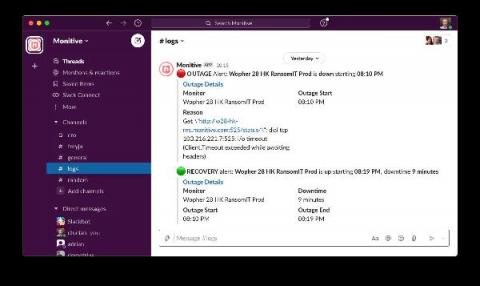
Just launched: Push notifications via Pushover. Get outage and recovery alerts on all your devices, wherever you are... It's already weekend. Which means time away from the keyboard, and hopefully less screen-time from our always-around electronic devices. You don't want to go to dinner wondering if your online services are up and running, and also you might want to tone down the number of times you check your email. That's why we added the missing link to our alerting system.
Monitoring Locations Update

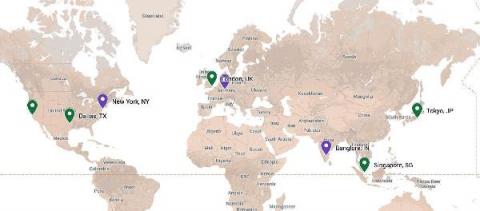
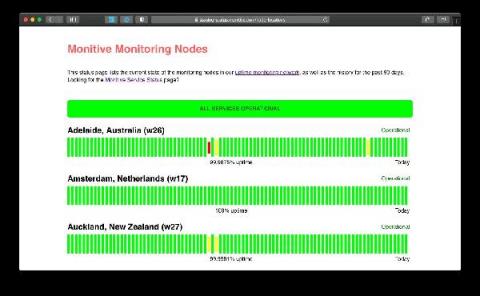
Since June 2020, when we launched the new Monitive, we have the same monitoring network of 8 locations. It’s time to expand. The current locations are VPS servers from DigitalOcean and Linode. I like to mix it a bit, so that we don’t rely on a single provider, but not too much, since the administrative overhead of managing dozens of providers is another lesson learned in 10 years of uptime monitoring.

Quick Test Feature

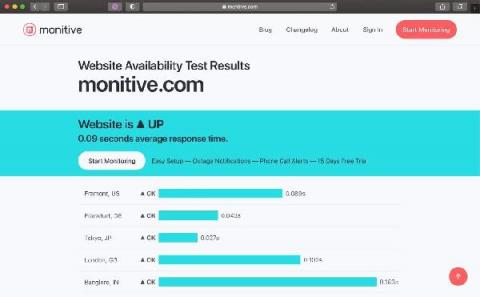
A feature that’s not available in the Monitive service, but has proven to be a useful helper is the ability to quickly check a website from several locations around the world. Just head out to the homepage and type in a website, with or without https://. Press Test Availability and you instantly get an overview of how your website is performing from several locations around the world.

New Monitive website sneak peek

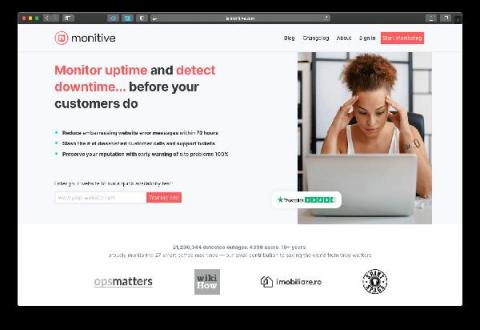
Last year, while we were coming up to the date of launching the new Monitive, I wanted a new homepage to go in harmony with the new service. As we were focusing 100% on finalizing the service, there were few resources for the actual website. I only knew the following: So after about a week of research and brainstorming, we decided to go with Hugo static site generator, the Jumpstart theme by MediumRare and just a single landing homepage and the legal pages (privacy policy and terms of use).

Laravel Monolog Handler for Logflare

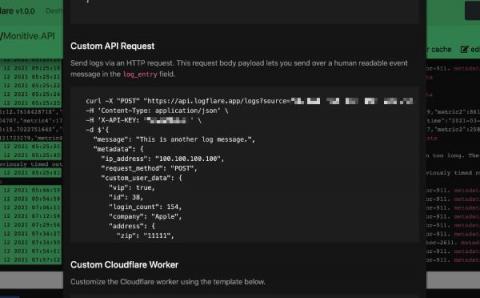
For our API, we’ve been happily using NewRelic’s monolog enricher for a while, which sends our application logs to NewRelic at the end of each request, making it light and fast for our system not to be bothered by it. Until it stopped working with the upgrade to Composer 2, and they knew about it for several months and still didn’t do a single thing to fix it. So I decided to move to Logflare. Logflare is a fast, light, scalable, and powerful logging aggregator.