The latest News and Information on APIs, Mobile, AI, Machine Learning, IoT, Open Source and more!
For the newest instalment in our series of interviews asking leading technology specialists about their achievements in their field, we’ve welcomed Matthew Renze. Matthew is a specialist in artificial intelligence who has given over 100 talks on this very subject and is the author of numerous AI courses on Pluralsight.
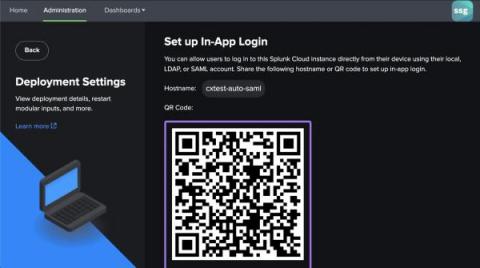
After checking out the Get Started with Connected Experiences blog, you’ll be an expert on 1) how your Splunk data gets to mobile, (2) how to unlock mobile for your Splunk instance, and (3) how user management works. So, with this blog, I’d say it’s time to talk about the many login methods users can leverage with their Splunk instance on mobile.
Linux is an open-sourced operating system for computers, smartphones, servers, mainframes, and embedded devices. The main advantage of Linux over other operating systems is that Linux is an open-source operating system, which means that you can view, edit, customize, enhance, and share the code with anyone. The release of Linux garnered a huge community of contributors that created a variety of features and distributions for users at no added cost.
We’re delighted to announce that we’ve acquired Specto, a powerful mobile profiling tool from ex-Facebook mobile experts who share our determination for building developer-first performance monitoring products that actually suit the modern dev stack.
Checkly has released a new runtime version 2021.10. This is great news for anyone creating browser checks in Checkly, as we have added some new features and brought everything up to date.
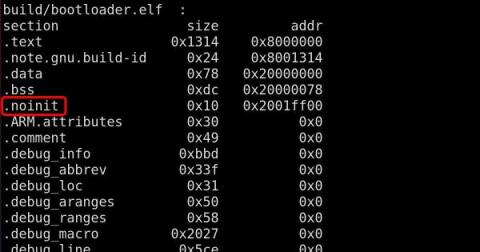
Imagine there’s an embedded system that needs to persist some state when the processor restarts (either intentionally or due to a catastrophic error). This could be some external hardware information (what’s the position of a motor or actuator?) or a method to communicate the reset to the user (display some information on the device’s display). A simple way to store information through a reboot is to use what’s called“non-initialized” memory.
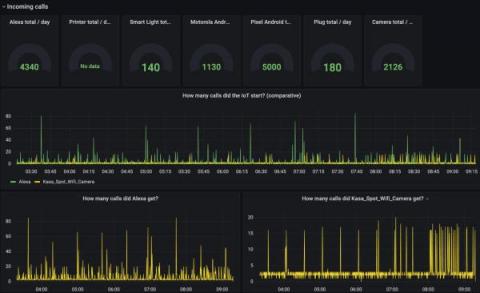
As the number of connected gadgets in our homes, offices, and industrial networks continues to grow exponentially, keeping IoT devices secure has become a vital part of our everyday lives. However, our webcams, printers, and smart plugs often lack security features due to their fast time to market, making them particularly vulnerable to attack. And because security metrics themselves can be tricky to assess, tracking IoT device security is increasingly a challenge.