The latest News and Information on APIs, Mobile, AI, Machine Learning, IoT, Open Source and more!
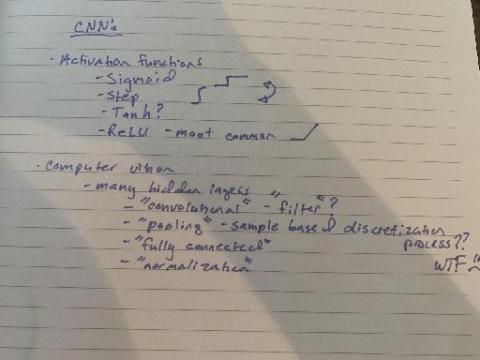
If you are a software engineer, there's a good chance that deep learning will inevitably become part of your job in the future. Even if you're not building the models that directly use CNNs, you might have to collaborate with data scientists or help business partners better understand what is going on under the hood. In this article, Julie Kent dives into the world of convolutional neural networks and explains it all in a not-so-scary way.
REST has reigned for a long time in the world of web services. It’s easy to implement, allows standardization through RESTful patterns and has lots of libraries that support and facilitate its development. Then came GraphQL, the famous query language for APIs.
Implementing infrastructure using open-source software significantly reduces the total cost of ownership (TOC) of your infrastructure. Over the last few years, we’ve seen more and more companies moving to open source. These include Netflix, Uber, Visa, eBay, Wikipedia and AT&T. And this trend will only continue to grow. The migration is driven by better economics, improved flexibility, better integration capabilities and thus, the higher business value provided by the open source software.
In my Puppet travels over the last 10 or so years, one topic has continued to arise time and again, and that has been the ability to scale open source Puppet to thousands of nodes. While the best route is to use Puppet Enterprise for solid support and a team of talented engineers to help you in your configuration management journey, sometimes the right solution for your needs is open source Puppet.
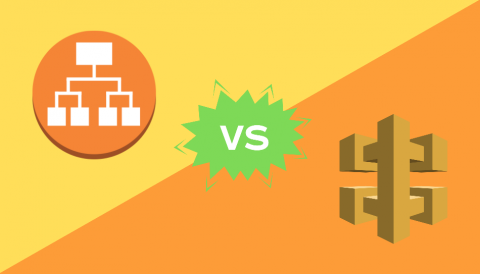
We recently wrote about whether API Gateway can act as a Load Balancer. The answer is yes and, in many cases, they are substitutes for each other. But how should we choose which one to use? In this article, we will dive into more details on how these two types of HTTP networking services compare, using the AWS services as a base level: API Gateway and Application Load Balancer (ALB). Both are highly-scalable services to a point that scalability should not be a concern for most use cases.
Alerting is central to your website, web application, and API monitoring. Getting the right message to the right people is essential to quickly resolving outages and error states. In this article, we walk you through seven aspects you need to consider when setting up the alerting for your monitors. If you need a general overview of how alerting works within Uptrends, we have a Knowledge Base article and an Academy course you may want to visit.