Operations | Monitoring | ITSM | DevOps | Cloud

Getting Started with Bytewax and InfluxDB

In this tutorial, we’ll explore how Bytewax can seamlessly integrate with InfluxDB to tackle a common challenge: downsampling. Whether you’re dealing with IoT data, DevOps monitoring, or any time series metrics, downsampling (or materialized views) is your key to managing your time series data for long-term storage without losing essential trends. Bytewax is an open source Python framework for building highly scalable dataflows to process any data stream.

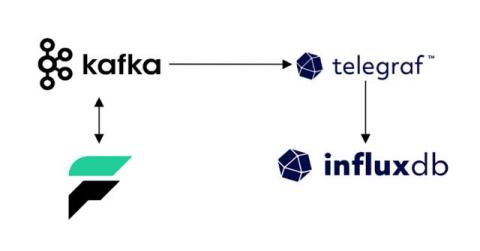
Getting Started with Kafka, Telegraf, and InfluxDB v3

In the world of smart gardening, keeping track of environmental conditions like humidity, temperature, wind, and soil moisture is key to ensuring your plants thrive. But how do you bring all this data together in an efficient and scalable way? Enter the powerful trio of Kafka, Telegraf, and InfluxDB Cloud v3.

Get Started with InfluxDB's JavaScript API

Time series databases are designed to store and analyze data collected at specified points in time. They’re essential for applications that handle huge amounts of continuously generated data, such as Internet of Things (IoT) devices, system monitors, and financial systems. InfluxDB, an open source time series database known for its outstanding performance and scalability, has gained popularity due to its capacity to manage large amounts of time-stamped data.

Real-Time Visualization for IIoT Data

With the increased adoption of the Industrial Internet of Things (IIoT), connected devices and sensors generate vast amounts of data, and you’ll need an effective way to capture, store, and visualize all of it. With effective data visualization and analysis, you can transform raw data into actionable insights and make informed decisions. This post will break down tools like Grafana, Node-RED, and time series databases, including their benefits to your IIoT workload.

Handling Partial Writes in InfluxDB 3.0

We recently adjusted how we handle “partial writes” with our InfluxDB Cloud Serverless product using the v2 Write API. This only applies to InfluxDB Cloud Serverless customers (those who created their Cloud accounts after January 31, 2023). In the near future, we will make this change for InfluxDB Cloud Dedicated and InfluxDB Clustered customers as well.

Deploying InfluxDB and Telegraf to Monitor Kubernetes

I run a small Kubernetes cluster at home, which I originally set up as somewhere to experiment. Because it started as a playground, I never bothered to set up monitoring. However, as time passed, I’ve ended up dropping more production-esque workloads onto it, so I decided I should probably put some observability in place. Not having visibility into the cluster was actually a little odd, considering that even my fish tank can page me.

An Introductory Guide to Cloud Security for IIoT

The state of industries has come a long way since the Industrial Revolution with new technologies such as smart devices, the internet, and the cloud. The Industrial Internet of Things (IIoT) is a network of industrial components that share and process data to gain insights. But as IIoT involves sensitive data and life-critical operations, this also comes with various IIoT cloud security challenges. Therefore, it is important to strengthen security.

Building Real-Time Android Apps with InfluxDB Cloud: Data Logging, Querying, and Visualization

With over 8 billion smartphones in use, predominantly running Android, how do you efficiently manage and analyze the flood of real-time data generated by apps, games, and other services? Whether it’s tracking user interactions, monitoring health metrics, or managing IoT devices, handling this data can be overwhelming.