OpenSource Telco Quarterly
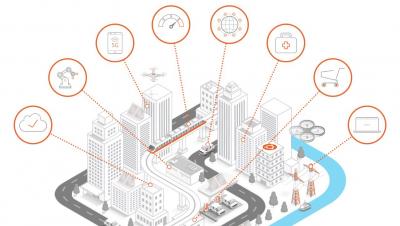
This quarter we are focusing on open source private mobile networks.


In software, it’s essential to monitor logs of system activities. Today we’ll unravel what Linux logs are and how you can view them. Logging is a must for today’s developers and why Retrace was designed with a built-in, centralized log management tool.
Ubuntu is the number one choice for data scientists worldwide. It is also by far the most popular Linux distribution used on public clouds with machine learning offerings. However, we don’t forget about our Windows friends – many of whom had their operating system chosen by corporate IT departments. Windows users can still get all the benefits of using Ubuntu thanks to Windows Subsystem for Linux.
We at Canonical, the company behind Ubuntu, are pleased to join hands with the Magma Foundation. Magma connects the world to a faster network by providing operators an open, flexible, and extendable mobile core network solution. Its simplicity and low-cost structure empower innovators to build mobile networks that were never imagined before. We decided to support this open source project because of our wider telco efforts.
At Canonical, we love Flutter and we can’t stop talking about it. Our Flutter developers have been working on bringing support to desktop operating systems since July 2020. This includes our new Ubuntu Desktop installer, built with Flutter, which will be the default user journey in our upcoming 22.04 LTS release.
Since I wrote Launch Ubuntu Desktop on Google Cloud last week, I kept thinking about putting Ubuntu Desktop into containers. A container is an independent unit of software packages and their dependencies so that the application on the container can run reliably in different computing environments. Docker, an open-source project launched in 2013, made Container technology popular all over the world in just a few years. Why? Let’s compare Containers and Virtual Machines.
It’s that time of the year again: many folks are panic buying cans of windscreen de-icer spray and thermal underwear, bringing pine trees into the front room and preparing to enjoy an extended break with the family. So we thought to ourselves, what better time than now to take a look back at the year gone by on the Canonical Data Platform?
We are happy to announce that MAAS 3.1 has been released. Bare-metal provisioning just got even easier! MAAS 3.1 brings some of the most frequently-requested features into the product. A lot of this is serendipity — or maybe you could say that it’s about like minds tracking the same problem. Either way, we’re doing our best to provide features that match our users’ needs, as soon as we possibly can.