This micro lesson explains the three different metrics formats that Sumo Logic supports. The MicroLesson compares the formats and elaborates with an example each.
Technology environments are rapidly evolving as organizations look to remain competitive, accelerate innovation and make themselves more agile. But in the process, many of the observers, i.e., stakeholders who track infrastructure and application metrics, are falling behind, unable to monitor and manage modern, cloud-native apps and multi-cloud environments due to the complexity that comes with them.
Back in 2018, AWS first released its Graviton processor—their custom-built 64-bit Arm processor—and followed that with the release of Graviton2 processors just a year later. Now customers running ECS and EKS on EC2 can choose between X86 and ARM64 depending on which processor best fits their application workload.
If you’re responsible for a significant number of Windows servers, you already understand the importance of being aware of the health and security of your environment. Unfortunately, you’re probably also aware of the tremendous amount of effort and resources required to monitor your Windows environment. Let’s take a look into why and how you should be closely monitoring your Windows server environments from a security perspective.
Every company is a software company and every company wants to get better at it. That’s the reason we built Software Development Optimization or SDO. SDO helps you track siloed data across the DevOps toolchain. It normalizes and correlates data, provides you with DORA’s 4 key metrics and gives you deep insights into the velocity and quality of delivery across services and teams.
Amazon Elastic Kubernetes Service, or EKS, is a managed Kubernetes service. That means that Amazon Web Services (AWS) handles some of the deployment and management tasks for users. But the fact that EKS is a managed service doesn’t mean that AWS manages all administrative tasks. One key management task that isn’t fully covered as part of EKS is monitoring.
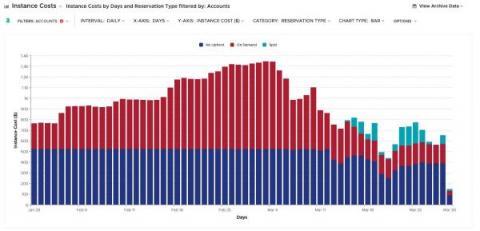
An often overlooked aspect of a company’s journey to the cloud is cost visibility. While the single number delivered by the cloud provider on a monthly invoice is straightforward, understanding where this number comes from is often more tricky. Fortunately, this task can be facilitated through the usage of various cost monitoring tools available on the market, coming from both third-party companies and the cloud providers themselves.