
Operations | Monitoring | ITSM | DevOps | Cloud

Root Cause Analysis: How Engineering Teams Fix Production Issues Faster?

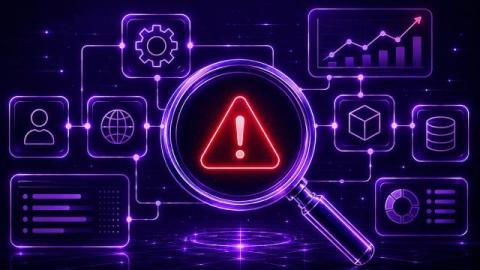
When a production incident strikes, a sudden latency spike, a cascading API failure, a service returning 500s at scale, every minute of downtime has a cost. Root cause analysis (RCA) is the process that turns that chaos into a clear answer: what actually broke, and why. Not the symptom that triggered the alert. The underlying cause.

AI SRE Agent: How Autonomous Incident Investigation Is Eliminating Manual Root Cause Analysis

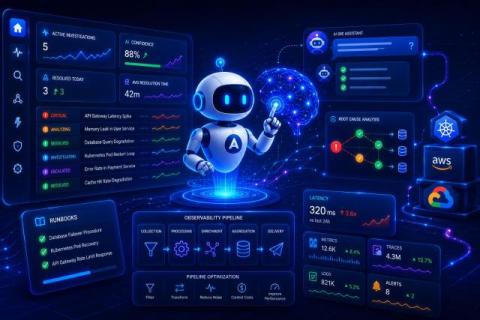
A critical production alert wakes you up: p99 latency just hit 4 seconds. You drag yourself to a terminal, open five dashboards, start correlating log timestamps with trace IDs, dig through 47,000 log lines across eight services, and 90 minutes later, you finally find the culprit: an N+1 database query introduced in a deployment that shipped four minutes before the spike started. An Atatus AI SRE Agent would have identified that root cause and drafted a remediation plan in 28 seconds. Not approximation.

The Complete Guide to Observability Pipelines

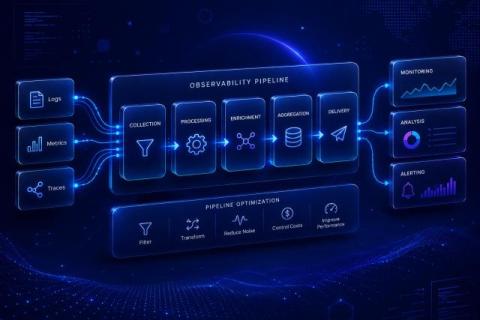
Modern engineering teams are drowning in telemetry data. A mid-sized Kubernetes cluster running 50 microservices can generate millions of log lines per minute. Add distributed traces, Prometheus metrics, cloud provider events, and application-level instrumentation and you're looking at terabytes of observability data every day. The problem isn't just volume. It's what you do with it.

Introducing Atatus Sensitive Data Classifier

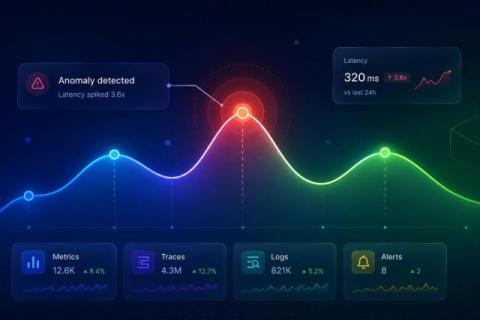
Your logs know too much. Every debug statement, every traced request, every APM span can carry the risk of capturing something they shouldn't. A customer email. A JWT token. A credit card number. An API key that was never meant to leave your payment service. It doesn't look like a breach. There's no alert. Your observability platform just quietly accumulates sensitive data like indexed, replicated, and accessible to every engineer with log query access.