Operations | Monitoring | ITSM | DevOps | Cloud


The latest News and Information on Containers, Kubernetes, Docker and related technologies.
Using Helm for Kubernetes management and configuration

Helm is a popular open-source tool used to manage and configure your Kubernetes cluster. Basically, it is a package manager (think Homebrew or NPM) built for Kubernetes. It helps automate processes like installing, configuring, upgrading, and removing items. This post will give you a brief introduction to Helm and how it might help you manage your Kubernetes cluster.

Service Mesh Comparison: Istio vs. Linkerd

As service architectures have transitioned from the monolith to microservices, one of the tougher problems that organizations have had to solve is service discovery and load balancing. The advent of service mesh technologies seeks to solve these and other problems exacerbated by the number of hosts that has grown exponentially. In this article, we’re going to explore what a service mesh is.

How to find-and use-your GKE logs with Cloud Logging

Logs are an important part of troubleshooting and it’s critical to have them when you need them. When it comes to logging, Google Kubernetes Engine (GKE) is integrated with Google Cloud’s Logging service. But perhaps you’ve never investigated your GKE logs, or Cloud Logging? Here’s an overview of how logging works in GKE, and how to configure, find, and interact effectively with the GKE logs stored in Cloud Logging.

Deploying apps directly on Kubernetes vs through Shipa

This video covers some of the differences on deploying applications directly on Kubernetes vs deploying them to Kubernetes but through Shipa. We should how Developer experience is improved, applications can be deployed much faster and DevOps/Platform Engineering teams can keep a controlled and dynamic environment when managing multiple Kubernetes clusters.

How to Troubleshoot Microservice Connectivity in Kubernetes

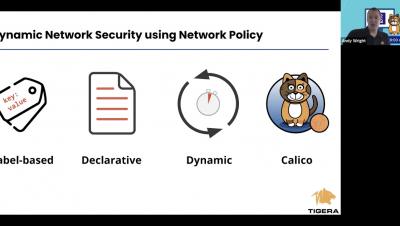
In this online training we will demonstrate how to troubleshoot and resolve service-to-service connectivity issues for microservices running on Kubernetes. We will show how to do this manually using system logs as well as features in Calico Enterprise that simplify troubleshooting.

How to pronounce Kubernetes so you don't get laughed at

We’ve all been there. A new tool is trending, it is getting mentioned all over the place, and you get dropped into a conversation about it. The last thing you want to do is embarrass yourself by pronouncing something wrong and revealing you don’t know anything about the latest thing. We want to make sure you avoid that happening. When it comes to Kubernetes, there are really only four terms that you might need some help with pronouncing.